Energy Storage Solutions for Homes and Businesses: A 2026 Technology Map
The power grid isn't what it used to be. With climate-driven weather extremes, AI data centers straining capacity, and fossil fuels losing ground to renewables, energy storage has shifted from luxury to necessity. Whether you're a homeowner tired of blackouts, a solar installer designing resilient systems, or a business seeking control over energy costs, storage solutions are the backbone of modern energy independence. They capture excess power when the sun's shining or the wind's blowing, then deliver it exactly when you need it, during peak rates, outages, or off-grid living. In 2026, the question isn't whether to invest in energy storage, but which system fits your goals.
Key Takeaways
- Energy storage solutions have become essential infrastructure for homeowners, businesses, and the grid, capturing renewable power during surplus periods and releasing it during peak demand or outages to improve resilience and reduce costs.
- Lithium-ion batteries, particularly LiFePO4 systems, dominate the residential and commercial market due to their high efficiency (>90%), compact form, fast response times, and superior longevity of 3,000–5,000+ charge cycles.
- Grid-tied energy storage systems offer flexibility with utility incentives and peak-shaving benefits, while off-grid systems provide total autonomy for remote properties and those prioritizing complete energy independence.
- Key benefits of modern battery energy storage systems include time-of-use cost savings, demand charge reduction for businesses, multi-day outage protection, environmental impact reduction, and the ability to scale capacity as needs grow.
- Choosing the right energy storage solution requires assessing your required duration, system scale, budget and available incentives, and prioritizing factors like lifespan, safety, and modularity for long-term value.
How to read this map: Energy storage solutions exist on a spectrum from “sub-kWh consumer device” to “multi-MWh grid asset.” Each segment has different chemistry, integration, and economics requirements. Pick the segment that matches your application before you pick a product.
The Five Application Segments
- Portable / sub-kWh. Power stations, jump packs, portable solar generators. Optimized for energy density and cycle count over short bursts. NMC dominates; LFP increasingly common.
- Residential UPS / 1–5 kWh. Critical-load backup for fridges, networking gear, well pumps. Daily or near-daily cycling. LiFePO4 is the standard.
- Whole-home / 5–50 kWh. Solar-paired or grid-charged whole-home backup. Daily cycling. LiFePO4 is the standard.
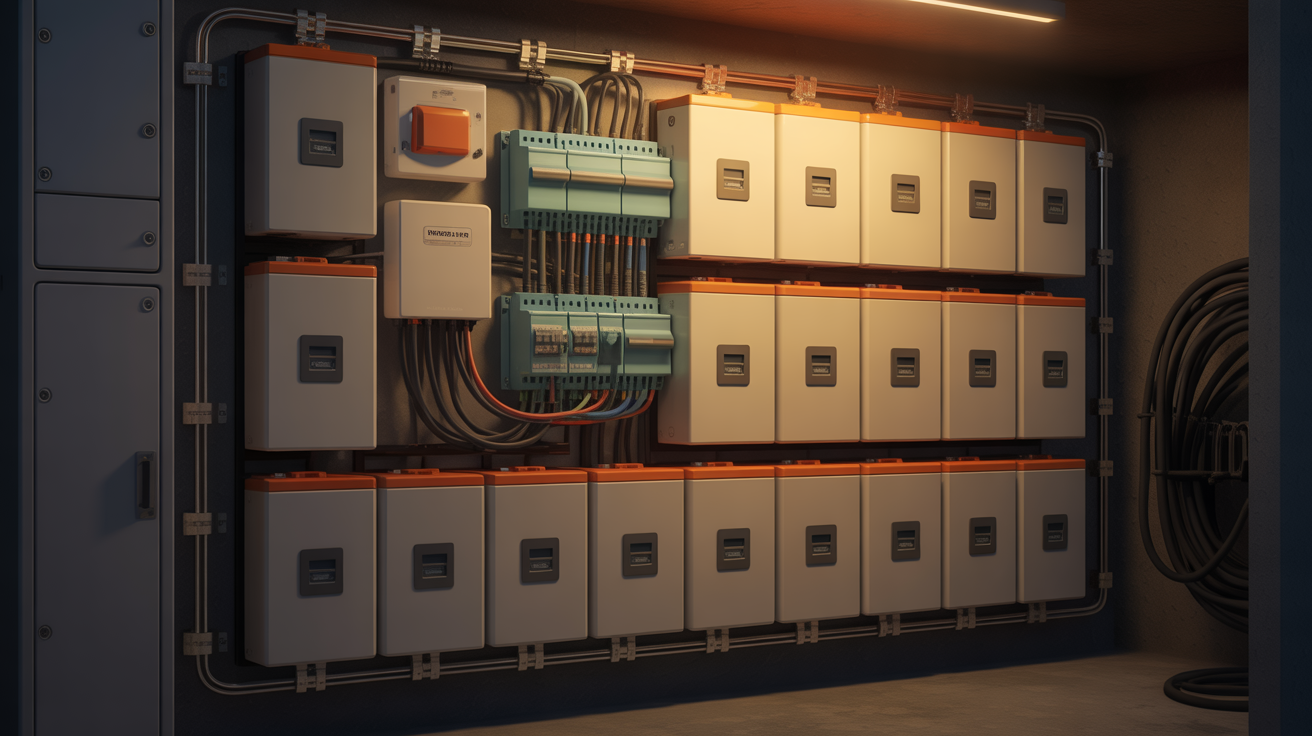
- Commercial / 50–500 kWh. Demand-charge management, peak shaving, behind-the-meter resilience. LiFePO4 is the standard. Some applications use flow.
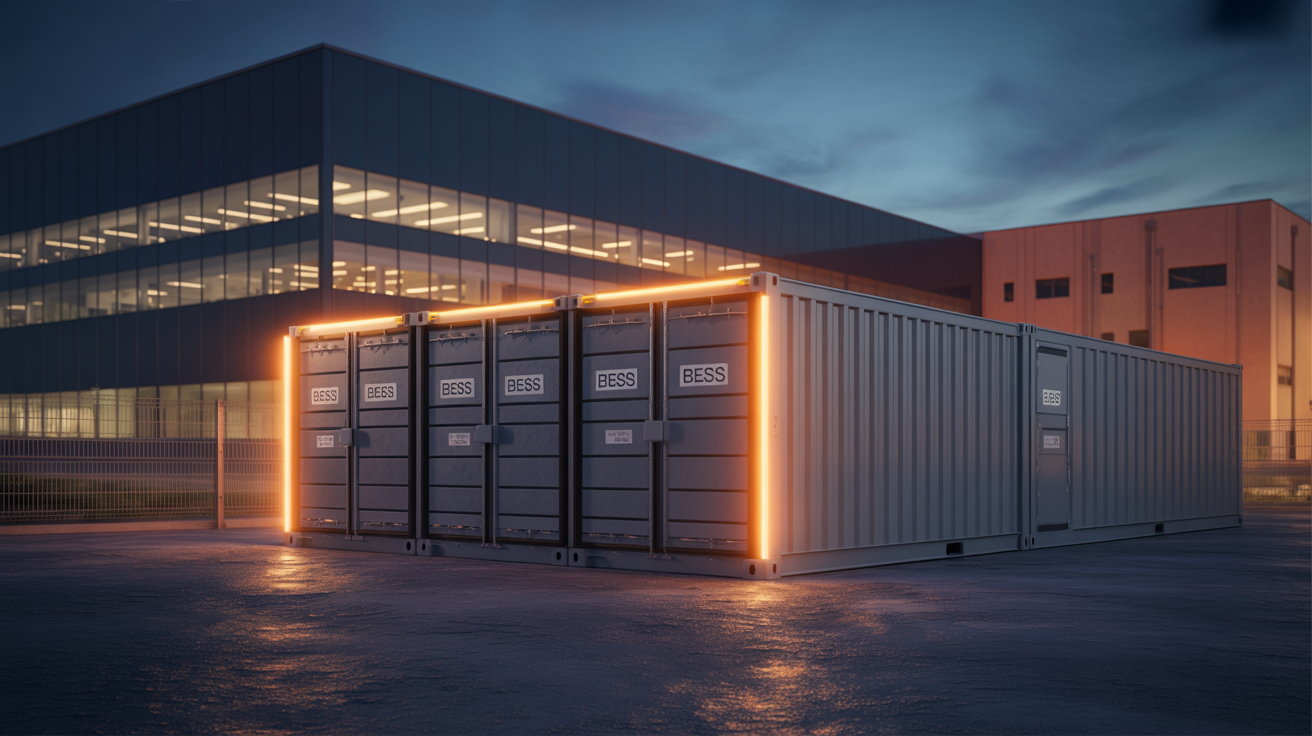
- Utility / 1+ MWh. Grid services, ancillary, capacity. LiFePO4 dominates new installs; flow is emerging for long-duration.
What Are Energy Storage Solutions and Why Do They Matter?
Energy storage solutions are technologies that capture energy, typically from renewable sources like solar panels or wind turbines, during periods of surplus generation and release it when demand spikes or production drops. Think of them as rechargeable reservoirs for electricity, smoothing out the inherent variability of renewables.
Why the urgency? The grid is under unprecedented strain. AI data centers alone are driving a surge in electricity demand, while aging infrastructure struggles to keep pace. At the same time, we're retiring coal plants and adding intermittent renewables at breakneck speed. Storage bridges that gap, stabilizing the grid and preventing brownouts.
For homeowners, storage means resilience. A battery backup keeps your lights on when storms knock out power lines. For businesses, it's about cost control, charging batteries during cheap off-peak hours and avoiding sky-high demand charges. And for off-grid property owners, storage is non-negotiable: it's the only way to run a refrigerator at night when your solar array goes dark.
Beyond individual benefits, energy storage accelerates the transition away from fossil fuels. It captures clean energy that would otherwise be wasted (curtailed wind or excess midday solar) and displaces peaker plants that burn natural gas during high-demand windows. In short, storage isn't just a backup plan, it's the infrastructure that makes a renewable-powered future viable.
Types of Energy Storage Solutions for Homes and Businesses
Energy storage isn't one-size-fits-all. The right technology depends on your use case, from compact home batteries to industrial-scale systems that can power neighborhoods for days.
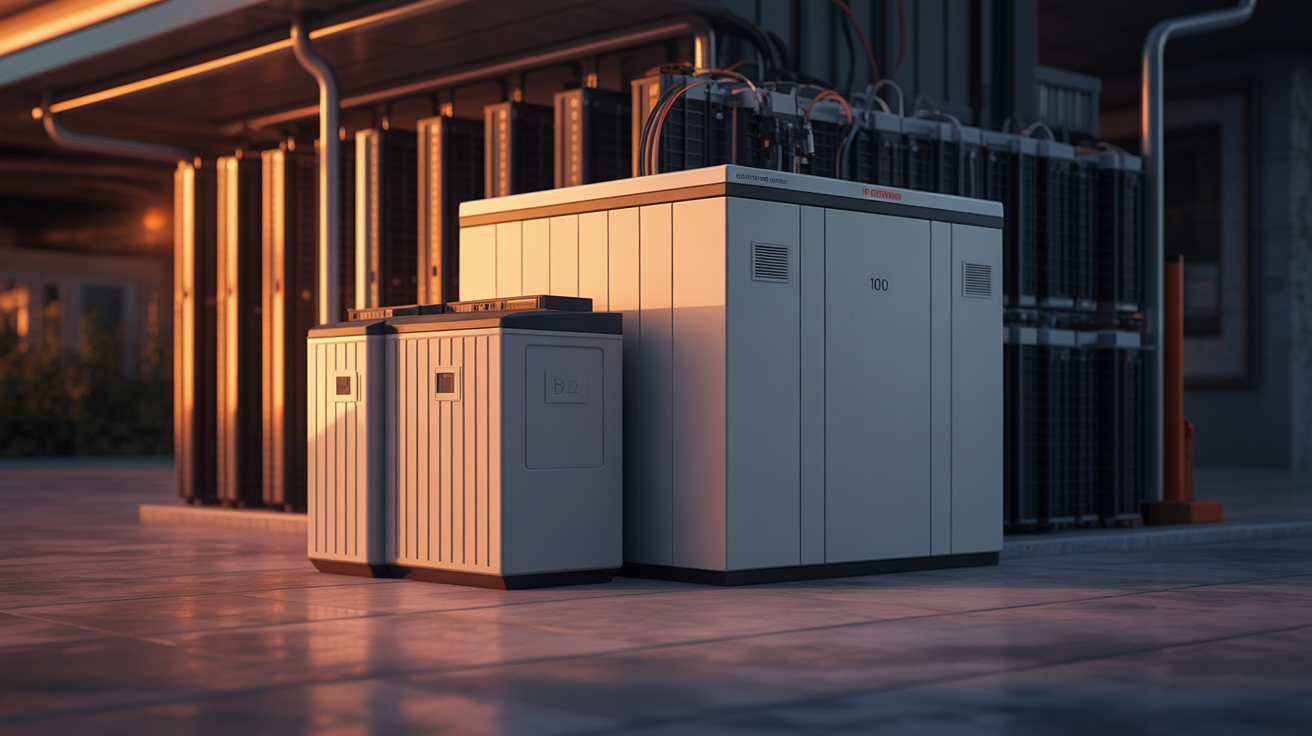
Lithium-ion batteries dominate the residential and light commercial market. High energy density means they pack serious power into a relatively small footprint, perfect for garage installations or wall-mounted units like the Tesla Powerwall. They charge quickly, discharge efficiently, and integrate seamlessly with solar inverters. For homeowners and small businesses prioritizing space and response time, lithium-ion is the go-to.
Flow batteries take a different approach. Instead of solid electrodes, they store energy in liquid electrolytes pumped through tanks. Scale up by adding more tanks, not more cells. Iron flow batteries, for example, can deliver up to 22 hours of continuous discharge without degradation, making them ideal for commercial facilities that need reliable, long-duration backup. The trade-off? They're bulkier and slower to respond than lithium-ion.
Pumped hydro storage is the heavyweight champion of grid-scale storage, accounting for the majority of global capacity. Water is pumped uphill to a reservoir during low-demand periods, then released through turbines to generate electricity when needed. It's durable, proven, and can store energy for days, but it requires specific geography (hills, water) and massive infrastructure investment.
Thermal storage captures energy as heat or cold. Molten salt systems store concentrated solar heat for power generation after sunset, while ice-based systems freeze water at night (using cheap electricity) to cool buildings during expensive daytime hours. It's niche but effective for heating/cooling-heavy operations.
Compressed air energy storage (CAES) pumps air into underground caverns during surplus periods, then releases it through turbines to generate power. It's durable and well-suited to grid applications, though installations are limited by geology.
Emerging technologies like hydrogen storage (converting excess electricity into hydrogen fuel) and gravity-based systems (lifting heavy weights) promise seasonal storage without chemical degradation, but they're still in early deployment.
For most homeowners, lithium-ion delivers the best blend of performance and practicality. Businesses with high energy demands or long outage risks should explore flow batteries or hybrid approaches combining multiple technologies.
Lithium Iron Phosphate (LiFePO4) Battery Systems
Within the lithium-ion family, LiFePO4 stands out for safety and longevity. Unlike nickel- or cobalt-based chemistries, lithium iron phosphate uses stable iron compounds that won't overheat or catch fire under stress. That thermal stability translates to peace of mind, especially for indoor installations or systems running unsupervised.
LiFePO4 batteries also outlast competitors. Expect 3,000 to 5,000+ charge cycles with minimal capacity fade, compared to 1,000–2,000 for traditional lithium-ion. For off-grid users cycling batteries daily, that longevity is a game-changer, lowering total cost of ownership even though higher upfront prices.
Humless battery energy storage systems leverage LiFePO4 chemistry across their product line, delivering UL-certified safety and reliable performance whether you're powering a tiny home or backing up critical business operations. It's the chemistry of choice when failure isn't an option.
Grid-Tied vs. Off-Grid Energy Storage
Your connection to the utility grid determines which storage architecture makes sense.
Grid-tied systems remain connected to the utility. During normal operation, your battery charges from solar or cheap overnight grid power, then discharges to offset expensive peak rates or provide backup during outages. Many utilities offer incentives for grid-tied storage, programs like Connecticut's Eversource installations reward homeowners for storing energy and reducing strain during demand spikes. You get the best of both worlds: independence when you need it, and grid support (plus financial incentives) when you don't.
Off-grid systems operate independently. There's no utility connection, so your battery is the only thing standing between you and darkness. Off-grid setups pair storage with solar (and often a backup generator) to create a fully autonomous microgrid. They're essential for remote properties beyond utility reach, but they also appeal to anyone prioritizing resilience over grid dependence.
Here's a quick comparison:
| Aspect | Grid-Tied | Off-Grid |
|---|---|---|
| Connectivity | Linked to utility | Fully independent |
| Benefits | Incentives, peak shaving, backup | Total autonomy, no bills |
| Complexity | Lower (grid as failsafe) | Higher (must size for worst case) |
| Examples | Suburban solar-plus-storage | Remote mountain cabin |
For most homeowners, grid-tied offers flexibility and lower upfront costs. Off-grid is the ultimate hedge against grid instability, and the only option if power lines don't reach your property.
Key Benefits of Modern Battery Energy Storage Systems
Why invest in a battery energy storage system? The benefits stretch far beyond keeping the lights on during storms.
High efficiency tops the list. Modern lithium-ion systems round-trip efficiency exceeds 90%, meaning very little energy is lost in the charge-discharge cycle. Iron flow batteries boast zero degradation over tens of thousands of cycles, maintaining full capacity year after year.
Scalability matters whether you're a homeowner or a utility. Start with a single battery module and expand as your needs grow, add capacity for an electric vehicle, a workshop, or seasonal peak loads without replacing your entire system.
Cost savings come in multiple flavors. Time-of-use arbitrage lets you charge when rates are low (overnight or midday solar surplus) and discharge when they're high (evening peaks). Demand charge reduction helps businesses avoid punitive fees triggered by short consumption spikes. And in areas with net metering caps or export limits, storage captures solar energy that would otherwise be curtailed.
Outage protection is the headline feature. A properly sized system keeps critical loads, refrigerators, medical equipment, communications, security, running through multi-day blackouts. For businesses, that means avoiding lost inventory, downtime, and customer trust.
Environmental impact shouldn't be overlooked. Storage maximizes renewable utilization, displacing fossil peaker plants and reducing carbon emissions. Every kilowatt-hour stored from your solar array is a kilowatt-hour that doesn't come from a gas turbine.
And let's not forget energy independence. There's something deeply satisfying about generating, storing, and consuming your own power, no utility rate hikes, no grid politics, just control. For off-grid pioneers and resilience-minded homeowners alike, that autonomy is priceless.
The Decision Tree, Simplified
Three questions to land on the right segment:
- What's your kWh and kW target? kWh tells you which segment you're in. kW (continuous + surge) tells you which inverter class. If you don't know either, the right first step is a load study.
- What's your cycling pattern? Daily cycling demands LiFePO4. Rare-event UPS (under 50 cycles/year) can still run AGM lead-acid economically. Multi-hour-discharge utility applications open the door to flow chemistries.
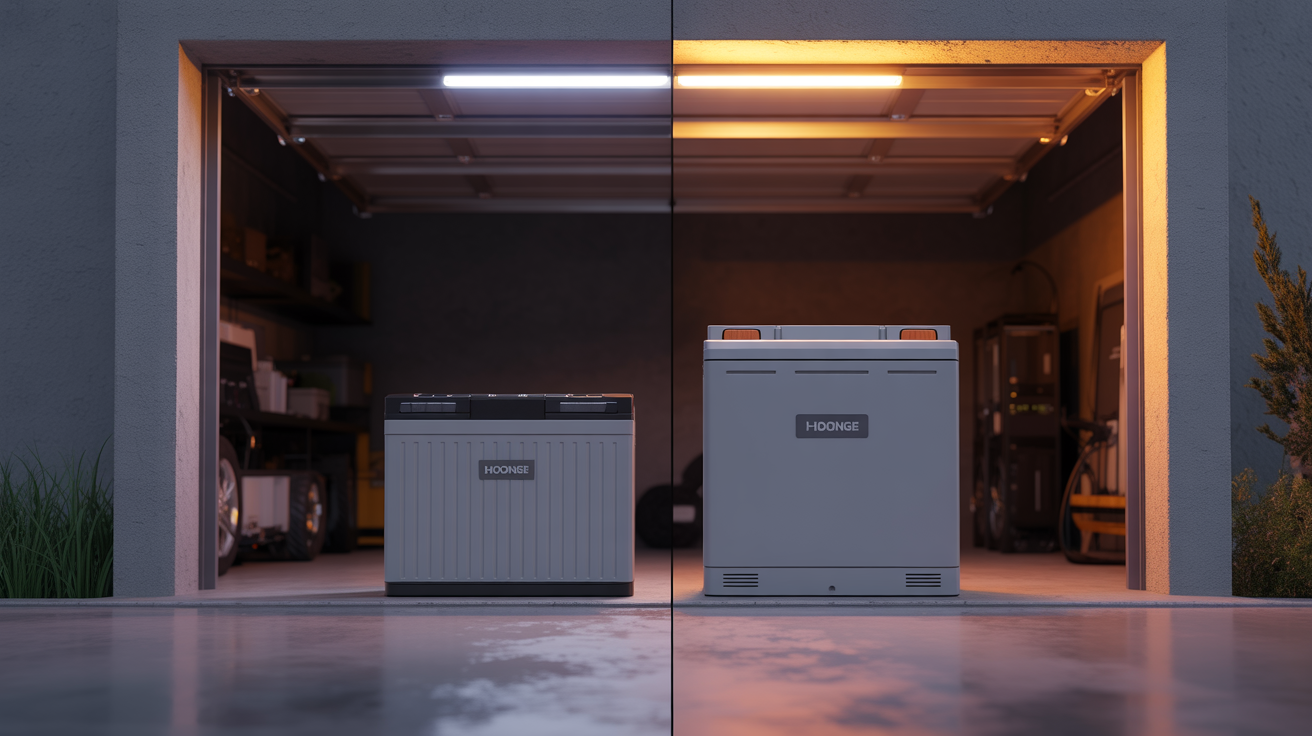
- What's your enclosure environment? Conditioned space → standard chemistry. Unconditioned (garage, exterior wall, rooftop, attic) → wide-temperature chemistry. Outdoor in extreme climate → wide-temperature chemistry plus thermal management for the inverter.
Common Mismatches We See
- Whole-home backup with a portable power station. A 1–2 kWh portable unit can't run a fridge for 24 hours, much less power a well pump. Right tool, wrong segment.
- Daily cycling with AGM lead-acid. The cycle math fails inside 2 years. Customers chasing the lower upfront cost end up replacing the bank twice in the lifetime of an LFP pack.
- Hot-climate install with NMC chemistry. Calendar aging eats the warranty inside 5–7 years. The warranty often has an exclusion for sustained ambient above 95°F.
- Cold-climate install with standard LFP. Below 32°F, charging is blocked. The pack sits empty during the cold snap that triggered the outage.
Where Wide Temp Sits on the Map
Our product line spans the residential UPS, whole-home, and commercial segments — 5 kWh through 500 kWh. We don't make portable power stations and we don't compete in utility-scale (>1 MWh) directly, though our cells appear in some of those projects through OEM partners. Within our segments, the decision criterion is simple: if your enclosure stays climate-controlled year-round, a standard residential LFP pack works. If it doesn't, our wide-temperature chemistry justifies the 15–20% premium.
How to Choose the Right Energy Storage Solution
With so many technologies and configurations, selecting the right energy storage system can feel overwhelming. Break it down by asking four key questions.
What's your required duration? If you need a few hours of backup to ride out evening peak rates or short outages, lithium-ion delivers fast response and compact form. If you're planning for multi-day resilience or want to shift large loads across longer windows, flow batteries or pumped hydro make more sense. Match storage duration to your actual use case, don't overbuy capacity you'll never cycle.
What's your scale? Homeowners typically need 10–20 kWh to cover essential loads overnight. Businesses might require hundreds of kilowatt-hours or even megawatt-scale systems. Grid-scale applications favor CAES or pumped hydro. Right-sizing prevents wasted investment and ensures your system operates efficiently.
What's your budget, and what incentives apply? Upfront costs vary wildly. Lithium-ion prices have dropped significantly, but flow batteries and emerging technologies still command premiums. Factor in available incentives: federal tax credits, state rebates, and utility programs like Connecticut Green Bank financing can slash effective costs. Sometimes a slightly pricier system with better incentives ends up cheaper than a "budget" option.
What are your priorities: lifespan, safety, or flexibility? LiFePO4 systems (like those from Humless) excel in longevity and thermal stability, ideal for daily cycling and mission-critical applications. If you anticipate changing needs, adding solar later, going off-grid eventually, choose modular systems that scale gracefully.
Finally, work with experienced integrators who understand local codes, utility interconnection rules, and real-world performance. A well-designed system pays dividends for decades: a poorly spec'd one is a costly headache. When in doubt, prioritize proven reliability and manufacturer support over flashy specs.
Conclusion
Energy storage solutions have evolved from niche tech to essential infrastructure. Whether you're chasing lower bills, bulletproof backup, or total energy independence, the right system is out there, and 2026 is the year to act. Incentives are still strong, technology is mature, and grid uncertainty isn't going anywhere. Assess your needs, explore proven options like LiFePO4 battery systems, and partner with a manufacturer committed to long-term support. Power independence isn't just possible, it's within reach.
Frequently Asked Questions About Energy Storage Solutions
What are energy storage solutions and why do homeowners need them?
Energy storage solutions capture excess power from solar panels or wind turbines and release it when needed, providing backup during outages and helping homeowners save on peak electricity rates. They're essential for grid resilience as renewable sources become more common and demand from AI data centers strains the aging power infrastructure.
What's the difference between lithium-ion and flow batteries for energy storage?
Lithium-ion batteries are compact, charge quickly, and ideal for homes and short-duration needs—like the Tesla Powerwall. Flow batteries use liquid electrolytes in tanks, scale easily, and deliver longer backup (up to 22 hours for iron flow), making them better for businesses requiring extended outage protection.
How long does a LiFePO4 battery system last compared to standard lithium-ion?
LiFePO4 batteries last 3,000 to 5,000+ charge cycles with minimal degradation, nearly double the 1,000–2,000 cycles of traditional lithium-ion. This longevity lowers total cost of ownership for off-grid users and daily cycling scenarios, despite higher upfront costs.
Should I choose a grid-tied or off-grid energy storage system?
Grid-tied systems offer lower costs, utility incentives, and grid support—ideal for most homeowners. Off-grid systems provide total autonomy and are necessary for remote properties beyond utility reach. Grid-tied is more flexible; off-grid is the ultimate resilience hedge against grid instability.
What are the main benefits of installing a modern battery energy storage system?
Key benefits include high efficiency (90%+ round-trip), scalability for future upgrades, cost savings through peak shaving and time-of-use arbitrage, multi-day outage protection, and environmental gains by maximizing renewable utilization and displacing fossil fuel peaker plants.
How do I choose the right energy storage solution for my needs?
Assess four factors: required duration (hours need lithium-ion; days need flow batteries), scale (homes: 10–20 kWh; businesses: larger systems), budget and available incentives like federal tax credits or state rebates, and priorities like lifespan and safety. Work with experienced integrators familiar with local codes and utility rules.
Reviewed By
Application-segment definitions and decision tree authored and reviewed by Wide Temp engineering, with input from our commercial and residential sales teams. Reviewed by Darrell Jakins, CEO.
Need help placing your application on the map? Tell us the kWh, kW, cycle pattern, and enclosure and we'll point you to the right segment — even if it's not us.
Reviewed by Intelligent Power Engineering Team
This article was written and fact-checked by our in-house battery engineering team with 50+ years of combined experience in LiFePO4 technology and wide temperature battery systems.
Meet our team →