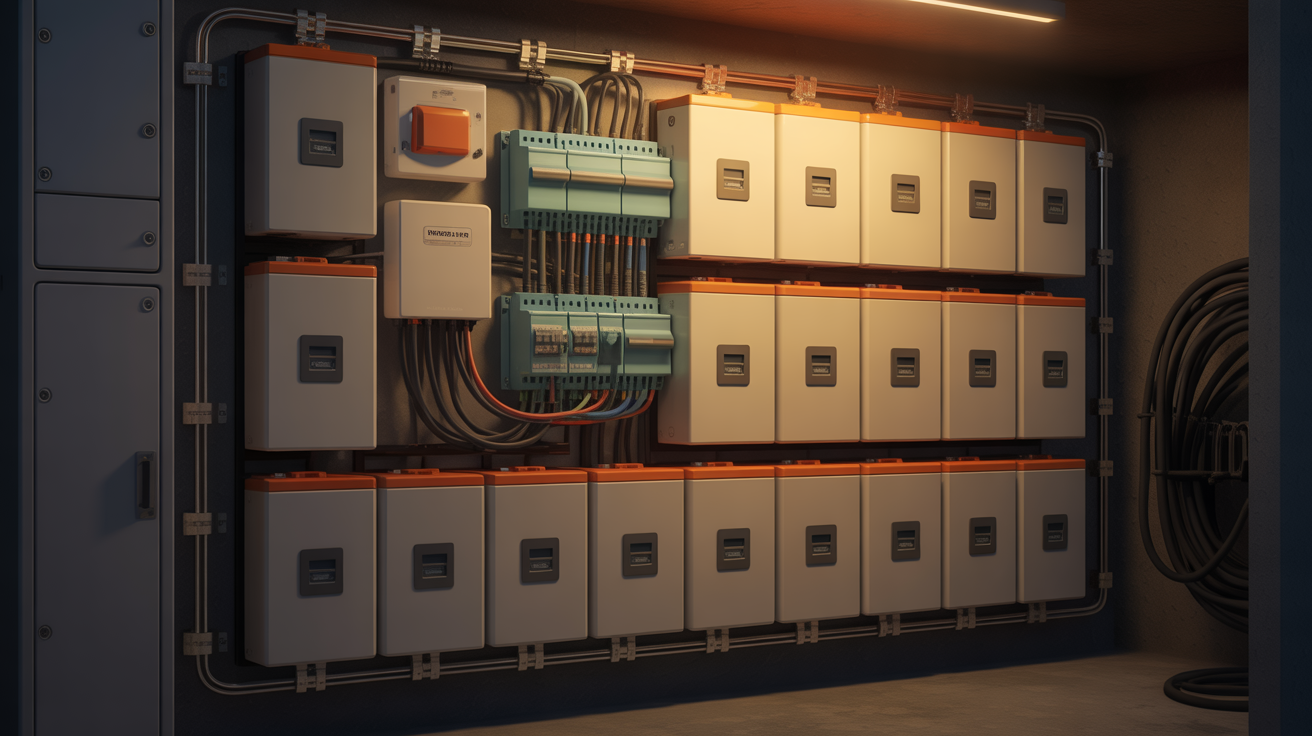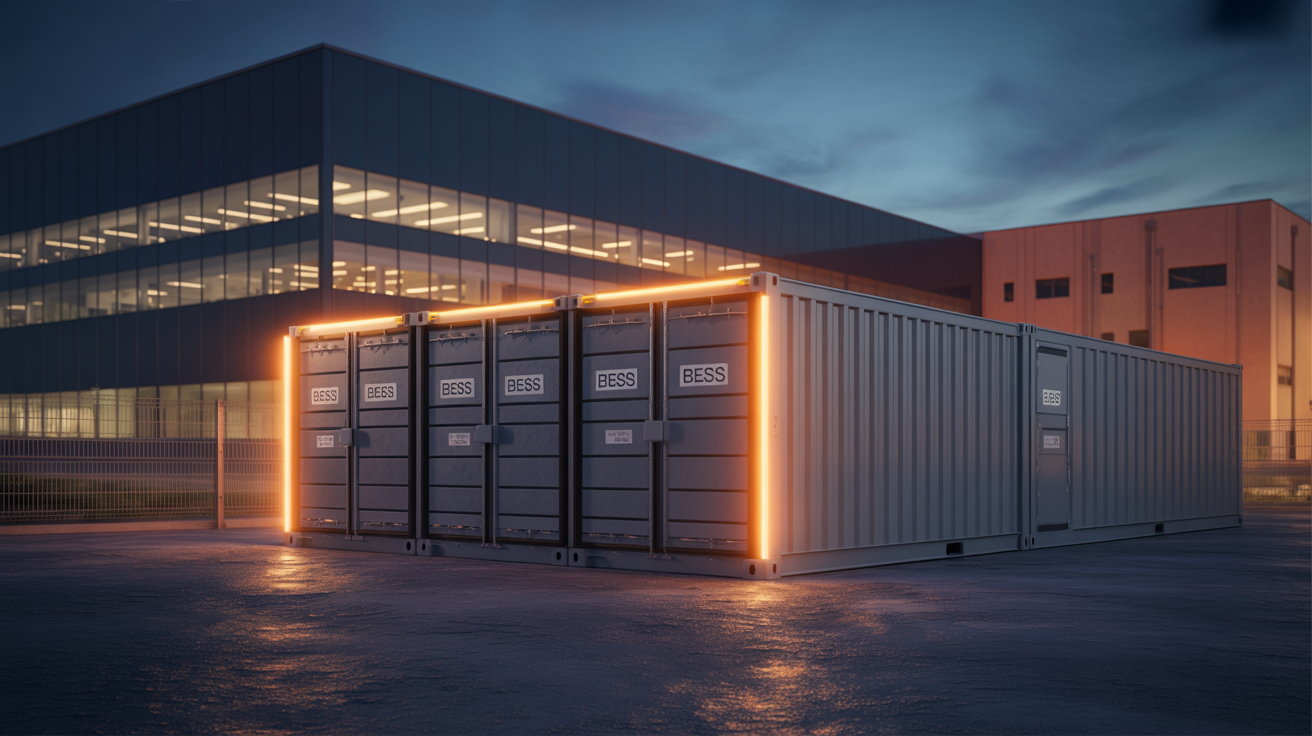
From a decade of post-mortem reports: the most common failure mode in extreme-temperature service is not catastrophic — it's a quiet, progressive capacity loss that the customer doesn't notice until the pack is at 60% of its original kWh. Wide Temp's cell chemistry, BMS calibration, and field telemetry are designed to make that drift visible early, which is why our customers replace on schedule rather than after a failure.
In today's rapidly evolving industrial landscape, the reliance on advanced battery technologies is more pronounced than ever. Industries such as telecom, oil & gas, marine, firefighting, scientific expeditions, and security depend heavily on reliable energy storage solutions. However, one of the most critical challenges these sectors face is battery failure in extreme temperatures. Understanding the real cost of battery failures in such environments is vital for businesses aiming to maintain operational efficiency and reduce downtime.
Understanding Battery Failure in Extreme Temperatures
Battery failure in extreme temperatures can lead to significant operational disruptions, financial losses, and safety hazards. The performance of conventional batteries can degrade dramatically when exposed to extreme heat or cold, resulting in reduced efficiency and an increased risk of failure. This is particularly concerning for industries operating under demanding conditions, where reliability is non-negotiable.
What Causes Battery Failure in Extreme Conditions?
Several factors contribute to battery failure in extreme temperatures:
- Temperature Sensitivity: Most conventional batteries are not designed to operate efficiently outside a limited temperature range, leading to capacity loss.
- Electrochemical Reactions: At extremely low temperatures, the electrochemical reactions within the battery slow down, resulting in decreased performance and potential failure.
- Dendrite Formation: In cold conditions, lithium-ion batteries can experience dendrite formation, leading to short-circuits and safety risks.
- Thermal Runaway: Excessive heat can cause thermal runaway, a condition where the battery overheats and may catch fire or explode.
The Financial Impact of Battery Failure
The direct financial implications of battery failure in extreme temperatures can be staggering. Here are some key considerations:
1. Operational Downtime
When a battery fails, the resulting downtime can halt operations, leading to lost productivity. For instance:
- In the telecom industry, a power outage can disrupt communication services, resulting in lost revenue and customer trust.
- In oil & gas applications, downtime can lead to millions in lost production and increased operational costs.
2. Replacement Costs
Replacing a failed battery isn’t just about the battery itself. Businesses must consider:
- Labor costs for installing the new battery.
- Potential shipping and handling fees for expedited replacements.
- Costs associated with disposing of the failed battery safely.
3. Increased Maintenance Expenses
Frequent battery failures can lead to increased maintenance expenses. Regular inspections, repairs, and monitoring become necessary to prevent future failures, which can add to the operational budget significantly.
4. Safety Risks and Liabilities
Battery failure can pose serious safety risks, especially in hazardous environments like firefighting or marine operations. Any incidents resulting from battery failure could lead to:
- Injuries or fatalities, resulting in potential legal liabilities.
- Costs associated with emergency response and damage control.
Mitigating Battery Failure Risks with LiFePO4 Technology
To combat the risks associated with battery failure in extreme temperatures, industries are turning towards advanced battery technologies, particularly Lithium Iron Phosphate (LiFePO4) batteries. Here's why they are an ideal solution:
1. Enhanced Temperature Tolerance
LiFePO4 batteries are engineered to perform effectively in extreme temperatures, from -40°C to +75°C. This makes them suitable for harsh environments where traditional batteries would struggle.
2. Long Cycle Life
With a cycle life of up to 4,000 cycles, LiFePO4 batteries minimize the need for frequent replacements, significantly reducing long-term costs associated with battery failures.
3. Built-in Battery Management System (BMS)
The integrated BMS in LiFePO4 batteries ensures optimal performance by monitoring temperature and charge levels, preventing issues like overheating and dendrite formation.
4. Cold Charging Capability
Unlike conventional batteries, LiFePO4 technology allows for cold charging, which is crucial for applications in extremely cold environments. This feature ensures that even in frigid conditions, the batteries maintain their efficiency and reliability.
What Healthy Pack Telemetry Looks Like Year Over Year
The Wide Temp BMS publishes per-cell capacity, internal resistance, and balanced state-of-charge over an industry-standard interface. Our recommended NOC dashboard tracks these three numbers monthly and flags anything outside a 2% drift band. In our customer fleets, that early-warning protocol typically catches problem cells 6–12 months before they would have impacted runtime — long enough to plan a scheduled service window instead of dispatching a truck during an outage. It's a small operational discipline that converts the entire battery program from reactive to predictive, and it's possible only because the pack itself was designed to expose the right data.
Conclusion
Battery failure in extreme temperatures can lead to devastating operational and financial consequences for industries. By investing in advanced technologies like LiFePO4 batteries, businesses can mitigate these risks, ensuring a reliable and efficient power source that operates effectively in the most challenging conditions. At Wide Temp Batteries, we specialize in providing high-performance batteries that are engineered for extreme temperature environments, helping you safeguard your operations and reduce the total cost of ownership.
Don't let battery failure disrupt your business. Explore our range of LiFePO4 batteries today to find the right solution for your needs.
Reviewed By
This article was reviewed by the engineering team at Wide Temp Batteries, including Darrell Jakins, CEO and a 20-plus-year veteran of advanced battery system design. Specifications, cycle figures, and operating ranges referenced in this piece are drawn from our published cell datasheets and the current revision of our 10-year warranty documentation.
Want a sample NOC dashboard configuration that reads Wide Temp BMS data? Reach out to our team and we'll walk you through the engineering data, real-world deployment results, and the exact configuration that fits your application.
Reviewed by Intelligent Power Engineering Team
This article was written and fact-checked by our in-house battery engineering team with 50+ years of combined experience in LiFePO4 technology and wide temperature battery systems.
Meet our team →