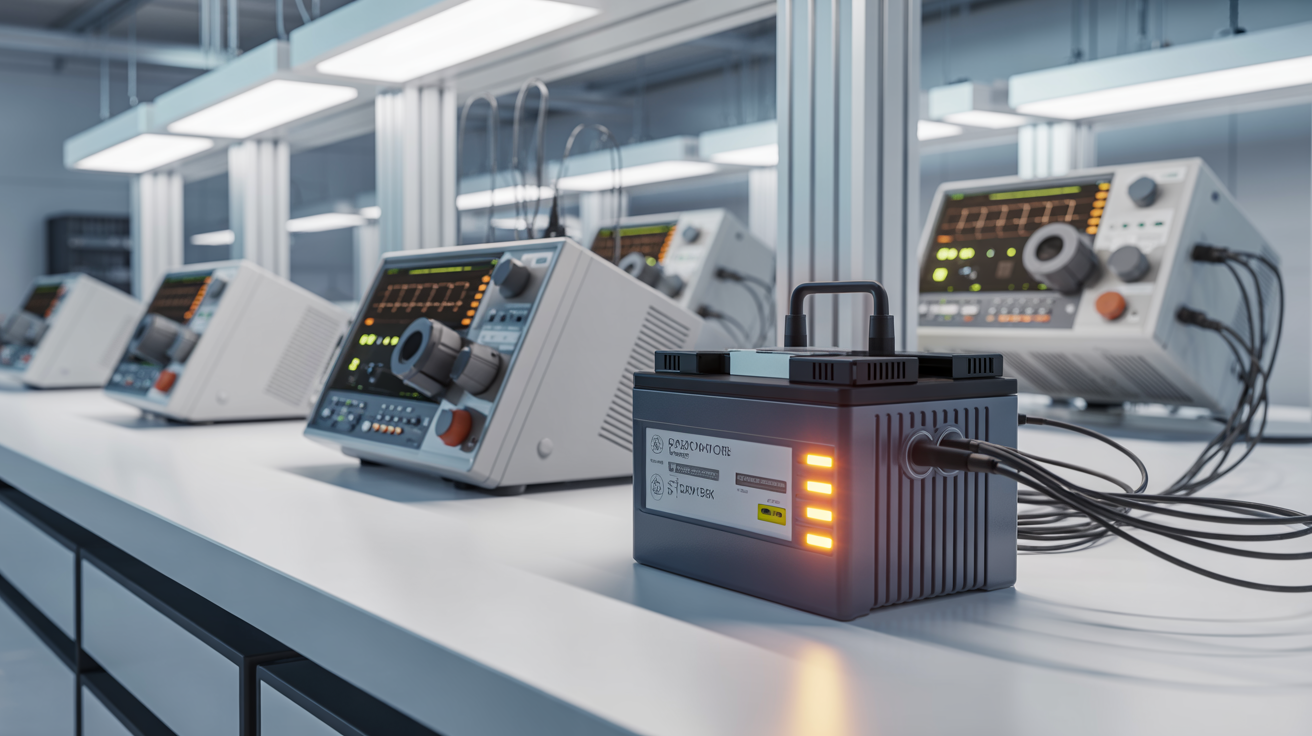
Scientific instruments are the unforgiving customer: a 50-mV ripple on the supply rail can corrupt a week of measurements. Wide Temp's research-grade packs are engineered around stability, not just capacity, which is why they ship into oceanographic moorings, polar weather stations, and remote seismometer arrays year after year.
In the world of scientific research, the reliability and performance of equipment are paramount. This is especially true when it comes to battery-powered devices utilized in extreme temperature environments. From remote field studies to laboratory settings, the need for a dependable battery for scientific equipment cannot be overstated. At Wide Temp Batteries, we specialize in LiFePO4 batteries engineered for extreme temperatures, ensuring that your scientific equipment performs optimally, regardless of the conditions.
The Importance of Reliable Battery Performance
Scientific equipment often operates in challenging environments where temperature fluctuations can significantly impact performance. Whether it's an expedition to the Arctic or research in a desert, equipment must have a reliable power source. Here’s why:
1. Consistency in Data Collection
In scientific research, data integrity is crucial. A failure in battery performance can lead to interruptions that compromise data collection. By utilizing a high-quality battery for scientific equipment, researchers can ensure continuous operation without the risk of power failure. This is particularly vital in long-term studies where every data point counts.
2. Resilience in Extreme Conditions
Extreme temperatures can cause traditional batteries to fail, resulting in equipment downtime. Wide Temp Batteries are designed to function effectively in temperatures ranging from -40°C to +75°C. This resilience ensures that researchers can conduct experiments and gather data without worrying about battery failure due to environmental conditions.
3. Enhanced Cycle Life
The longevity of a battery plays a critical role in overall research costs. With a cycle life of up to 4,000 cycles, our LiFePO4 batteries offer significant cost savings over time. Researchers can rely on our batteries for extended periods, reducing the need for frequent replacements and allowing for uninterrupted research operations.
Applications of LiFePO4 Batteries in Scientific Research
Wide Temp Batteries cater to a variety of scientific applications, providing reliable energy solutions across different fields:
- Field Research: Whether in remote locations or extreme climates, having a dependable battery for scientific equipment ensures that researchers can gather essential data without interruptions.
- Laboratory Equipment: Many laboratory instruments require stable power sources to function correctly. Our batteries can support various lab equipment, from microscopes to spectrometers.
- Environmental Monitoring: Continuous monitoring of environmental conditions necessitates reliable power. Our batteries can power sensors and devices used in ecological studies.
- Mobile Research Stations: When researchers set up temporary stations in extreme environments, our batteries provide the necessary power to operate essential equipment efficiently.
Technology Behind Wide Temp Batteries
When selecting a battery for scientific equipment, it’s important to understand the technology that ensures reliable performance. Here’s what sets Wide Temp Batteries apart:
1. Built-in Battery Management System (BMS)
Our batteries come equipped with a built-in BMS that monitors the health and performance of the battery. This system ensures safe operation by preventing overcharging, overheating, and short circuits, which is particularly important in sensitive scientific applications.
2. No-Dendrite Technology
Dendrites are metallic structures that can form in batteries and lead to short circuits. Our no-dendrite technology eliminates this risk, ensuring that our batteries maintain integrity and reliability, even under harsh conditions.
3. Cold-Charging Capability
One of the unique features of Wide Temp Batteries is their ability to charge at low temperatures. This capability allows researchers to recharge their batteries even in freezing conditions, ensuring that equipment remains operational in the field without delays.
Choosing the Right Battery for Your Scientific Equipment
When selecting a battery for scientific equipment, consider the following criteria to ensure you make the right choice:
- Temperature Range: Ensure the battery can perform optimally in the specific temperature range required for your research.
- Cycle Life: Look for batteries with a longer cycle life to reduce replacement costs and downtime.
- Safety Features: Prioritize batteries with built-in safety features, such as a BMS and no-dendrite technology, to prevent operational hazards.
- Charging Capabilities: Consider whether the battery can be charged in extreme conditions, which is essential for field research.
What Research-Grade Engineering Looks Like in a Battery
The research-grade specification we run for scientific customers includes three signatures most general-purpose packs don't: low-noise output (typically <30 mV ripple under load), tight voltage regulation across temperature (within 2% of nominal across the full operating envelope), and hardened deep-discharge protection that holds the pack at safe storage state during long expedition shut-downs. Combined with the wide-temp cell selection, that produces a battery you can ship to the bottom of the ocean or the top of a glacier and trust to wake up in spec when the instrument calls for power.
Conclusion
In the dynamic field of scientific research, having a reliable battery for scientific equipment is crucial for success. Wide Temp Batteries offers cutting-edge LiFePO4 batteries designed to withstand extreme temperatures, ensuring that your equipment remains operational when it matters most. By investing in our high-performance batteries, researchers can focus on their work, confident that their power source will not let them down. For more information about our products and how they can benefit your research, visit widetempbatteries.com.
Reviewed By
This article was reviewed by the engineering team at Wide Temp Batteries, including Darrell Jakins, CEO and a 20-plus-year veteran of advanced battery system design. Specifications, cycle figures, and operating ranges referenced in this piece are drawn from our published cell datasheets and the current revision of our 10-year warranty documentation.
Working on an unusual scientific deployment? We have the cell and BMS data to spec it. Reach out to our team and we'll walk you through the engineering data, real-world deployment results, and the exact configuration that fits your application.
Reviewed by Intelligent Power Engineering Team
This article was written and fact-checked by our in-house battery engineering team with 50+ years of combined experience in LiFePO4 technology and wide temperature battery systems.
Meet our team →