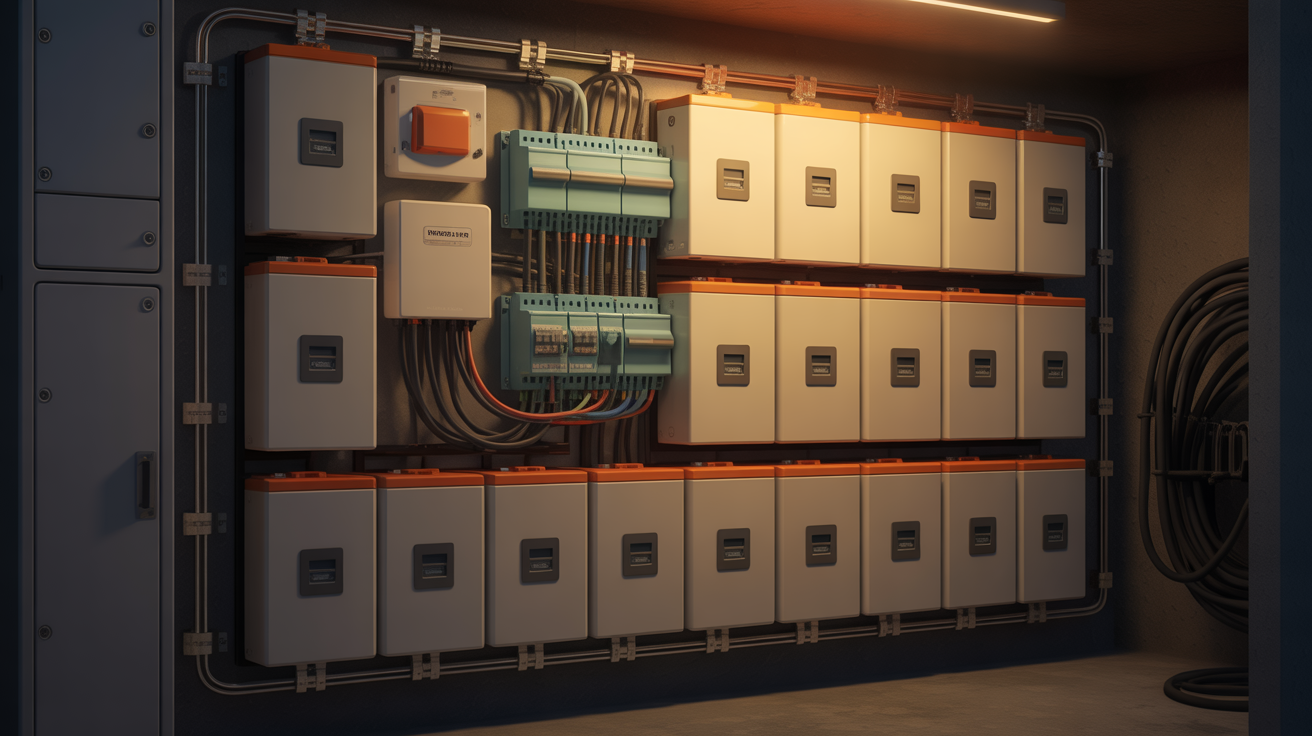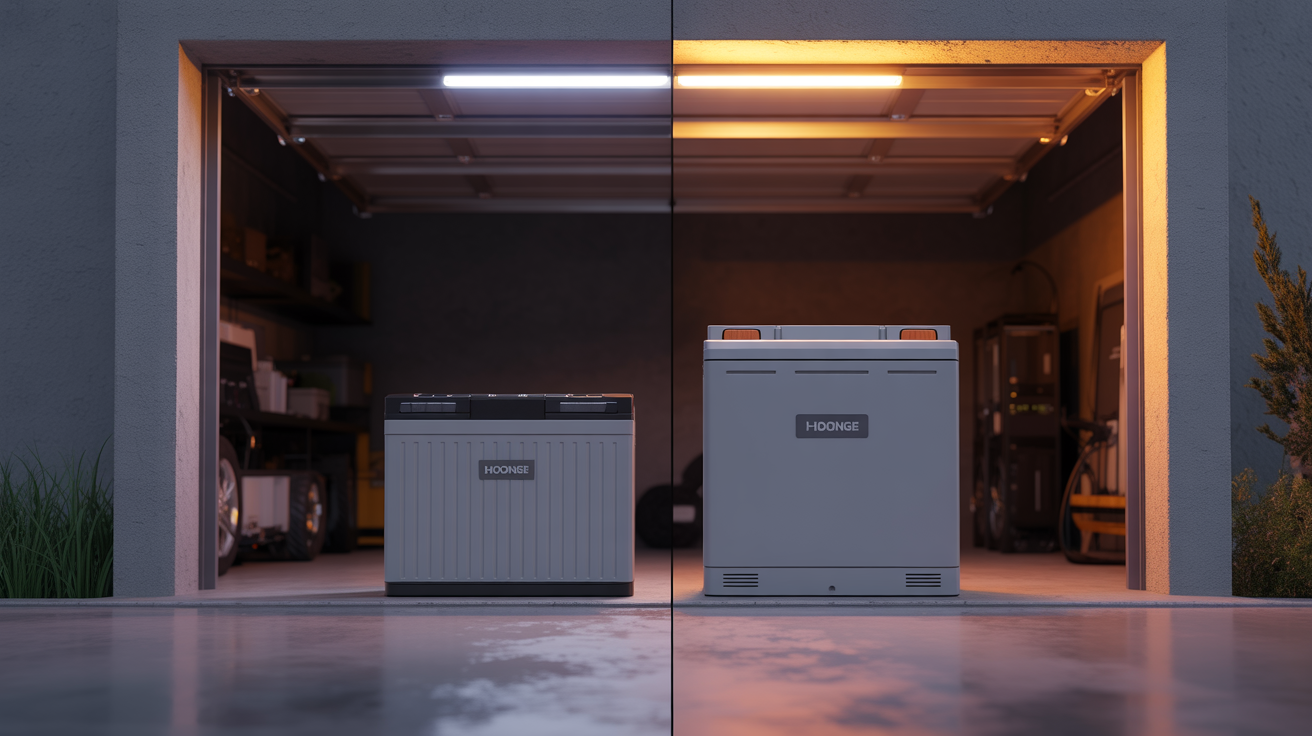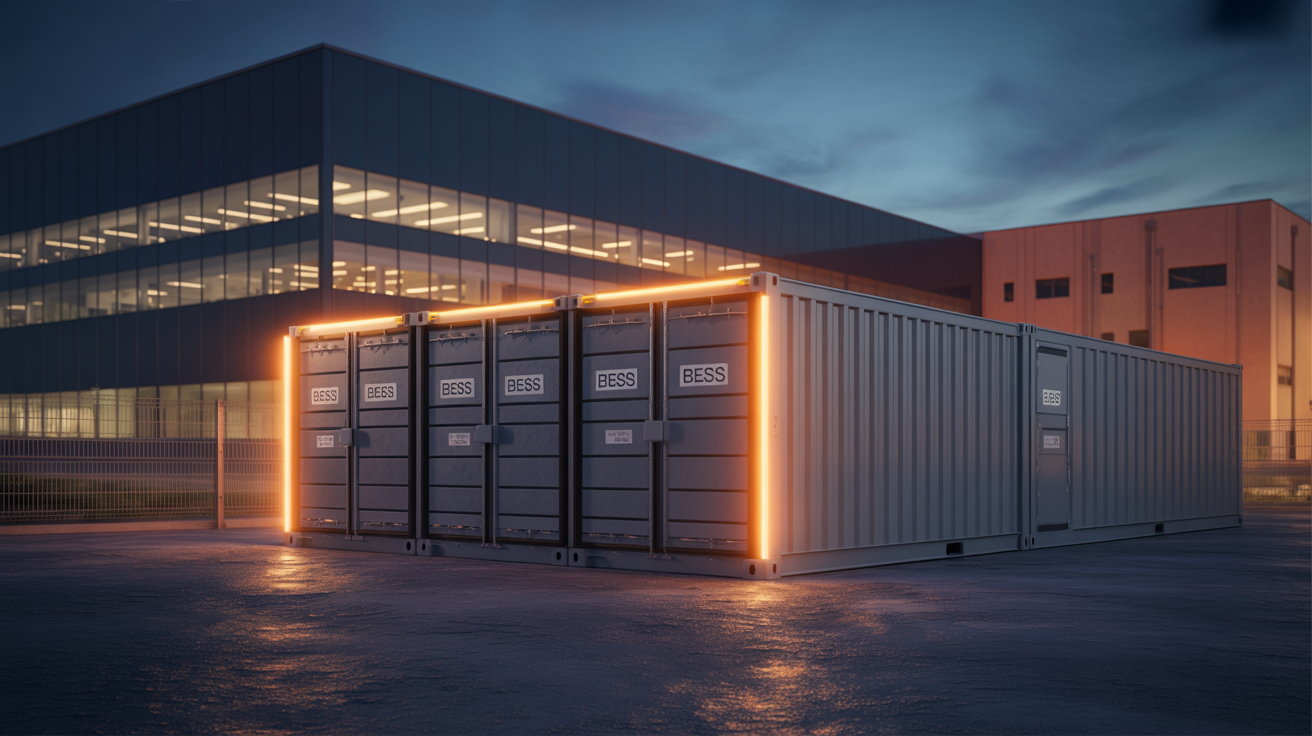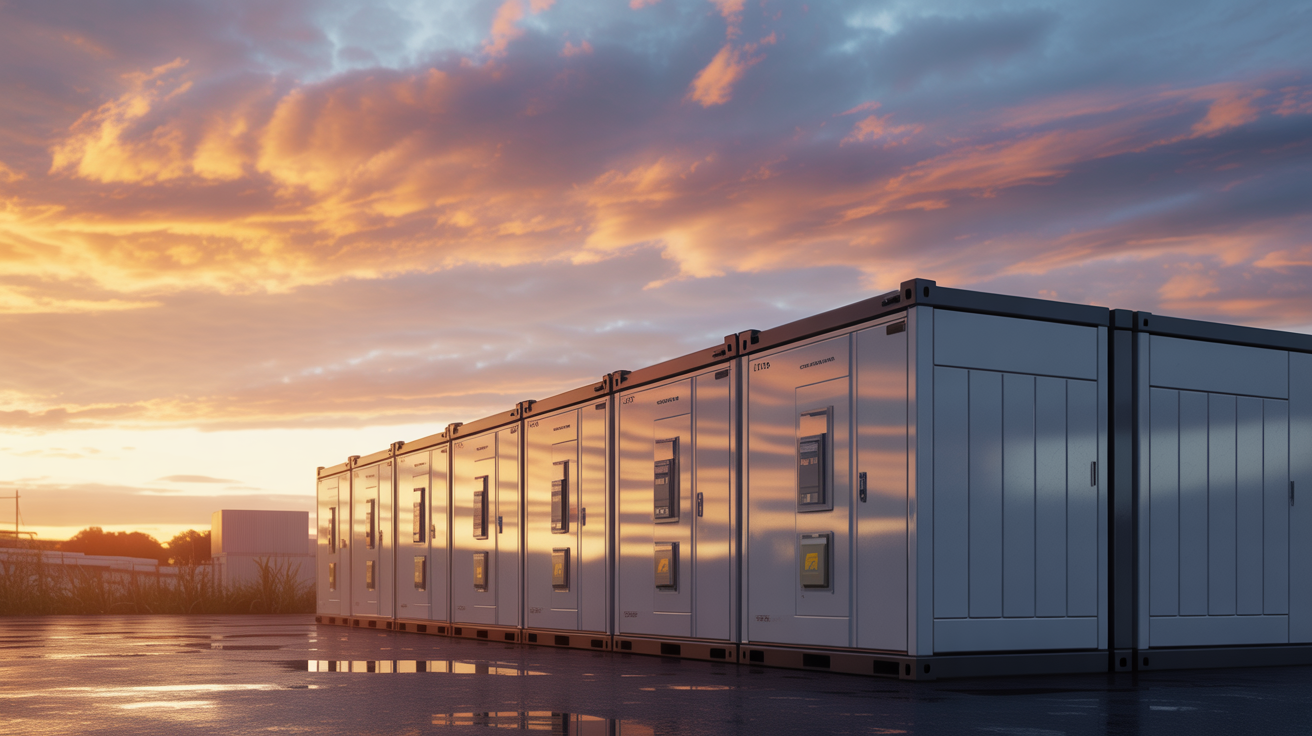
Extreme-environment storage isn't a single product category — it's a continuum from desert solar to arctic telecom to maritime backup, and each application demands slightly different engineering trade-offs. Wide Temp's product line is organized around those trade-offs explicitly, which is why customers tend to standardize on us across multiple use cases.
Understanding Battery Storage Systems for Extreme Environments
When it comes to deploying reliable power solutions in extreme environments—such as remote telecom sites, oil & gas operations, off-grid solar installations, and weather monitoring stations—the choice of a battery storage system is critical. These applications demand batteries that not only deliver consistent energy but also endure harsh temperature swings and challenging conditions without compromising performance or lifespan.
Traditional battery technologies like lead-acid and standard lithium-ion often fall short under these extremes. Lead-acid batteries typically suffer from reduced capacity and accelerated degradation in cold and hot climates, while many lithium-ion chemistries have limited operating temperature ranges and shorter cycle lives. This is where Wide Temperature LiFePO4 (Lithium Iron Phosphate) batteries, such as those manufactured by Intelligent Power, offer a distinct advantage, providing reliable operation from -40°F to 140°F with an extended cycle life of up to 4,000 cycles.
Comparing Battery Technologies for Harsh Conditions
Selecting the right battery technology for extreme environments requires understanding how temperature impacts performance, safety, and total cost of ownership.
- Lead-Acid Batteries: Common in many backup systems, lead-acid batteries are sensitive to temperature. Cold conditions reduce their effective capacity as chemical reactions slow, while elevated temperatures accelerate corrosion and electrolyte evaporation, shortening lifespan. Operational temperature ranges typically sit between 32°F and 113°F, limiting their use in colder or hotter sites. Additionally, lead-acid batteries usually last around 500-1,000 cycles, meaning more frequent replacements and higher long-term costs.
- Standard Lithium-Ion Batteries: While superior to lead-acid in energy density and efficiency, many lithium-ion chemistries (like NMC or LCO) have narrower temperature operating windows, often from around 32°F to 113°F as well. Exposure to sub-zero temperatures risks lithium plating and capacity loss, while high temperatures can accelerate degradation. Cycle life typically ranges from 1,000 to 2,000 cycles, requiring more frequent system refreshes in demanding applications.
- Wide Temperature LiFePO4 Batteries: Designed specifically for extreme climate resilience, Wide Temp LiFePO4 batteries maintain consistent performance in temperatures from -40°F up to 140°F. This broad range makes them ideal for outdoor telecom towers in frigid mountain regions, remote oilfield equipment in deserts, or weather stations exposed to harsh elements. The LiFePO4 chemistry is inherently safer, thermally stable, and offers a long cycle life of approximately 4,000 cycles, effectively doubling or quadrupling lifespan compared to alternatives.
Why Wide Temperature LiFePO4 is the Preferred Choice
Wide Temp LiFePO4 batteries combine several technical advantages that translate directly into operational reliability and cost savings in extreme environments:
- Extended Temperature Range: Operating reliably at -40°F to 140°F ensures power availability in virtually any climate, from arctic research stations to equatorial deserts.
- Superior Cycle Life: Up to 4,000 cycles means fewer replacements over the system’s lifetime, reducing maintenance labor, downtime, and capital expenditure.
- Thermal Stability and Safety: The LiFePO4 chemistry resists thermal runaway and performs consistently without the risk of overheating, critical for unstaffed or remote sites.
- Consistent Capacity Retention: Unlike lead-acid or standard lithium-ion batteries that lose usable capacity in temperature extremes, Wide Temp LiFePO4 maintains stable output, ensuring systems meet load requirements reliably.
Applications in Extreme Environments
Here are practical examples of how Wide Temp LiFePO4 battery storage systems excel across various sectors:
- Telecommunications: Remote cell towers often operate in locations with wide temperature fluctuations. Wide Temp LiFePO4 batteries provide dependable backup power to keep communication lines active during grid outages or fuel supply disruptions, while withstanding freezing winters and scorching summers.
- Oil & Gas: Off-grid oilfield equipment and monitoring stations require uninterrupted power under harsh environmental conditions. Wide Temp LiFePO4 batteries minimize risk of failure due to temperature extremes and reduce costly replacement cycles in remote, difficult-to-access sites.
- Remote Solar Installations: Solar power paired with battery storage is common in off-grid applications. Wide Temp LiFePO4 batteries enhance system resilience by reliably storing energy harvested during the day and delivering it during cold nights or hot afternoons without capacity degradation.
- Weather Stations and Environmental Monitoring: These systems often operate unattended in extreme climates. Using Wide Temp LiFePO4 batteries ensures continuous data collection and communication, critical for safety and research, even in the most challenging conditions.
Cost of Ownership Analysis: Fewer Replacements, Lower Total Costs
While upfront costs for Wide Temp LiFePO4 batteries may be higher than lead-acid or standard lithium-ion options, the total cost of ownership (TCO) tells a different story. Consider the following factors:
- Longevity: With a cycle life up to 4,000 cycles—roughly 10-15 years of typical use—Wide Temp LiFePO4 batteries reduce the frequency of replacements. Lead-acid batteries may need replacement every 3-5 years, and standard lithium-ion every 5-7 years in similar conditions.
- Maintenance: Lead-acid batteries often require regular watering, equalization charging, and temperature management, increasing operational expenses. Wide Temp LiFePO4 batteries are maintenance-free, lowering ongoing service costs.
- Performance Stability: Maintaining capacity and efficiency across temperature extremes means systems can be sized accurately without oversizing for temperature compensation, saving initial capital.
- Downtime Avoidance: Reliable power translates to fewer outages and operational interruptions, critical in telecom, oilfield, and monitoring applications where downtime is costly.
When these factors are combined, Wide Temp LiFePO4 battery storage systems often deliver a lower total cost of ownership over the system lifecycle, especially in extreme temperature environments.
Choosing an Intelligent Power Wide Temp Battery Storage System
Intelligent Power specializes in Wide Temp LiFePO4 batteries engineered specifically for demanding environments. Their products feature:
- Guaranteed operation from -40°F to 140°F
- Up to 4,000 cycles for long-term reliability
- Robust safety certifications ensuring dependable performance
- Modular designs for scalable capacity tailored to application needs
For businesses and utilities deploying battery storage systems in extreme environments, partnering with a manufacturer like Intelligent Power ensures access to cutting-edge technology that withstands the rigors of real-world operations.
How Wide Temp Maps Engineering to Application
Our product map works backward from the operating envelope: identify the temperature range, the duty cycle, and the form factor your application demands, then specify the cell, the BMS calibration, and the enclosure that hits all three. For desert solar, that's a high-temp-optimized cell, a charge profile that tapers above 113°F, and an enclosure designed for radiant cooling. For arctic telecom, it's a low-impedance cell, an integrated pre-conditioning element, and an insulated enclosure. The physical pack changes; the engineering discipline doesn't. It's why we can serve three very different industries from the same product family without any of them feeling like the compromise version.
Conclusion
Choosing the right battery storage system for extreme environments requires balancing performance, safety, reliability, and cost. Wide Temperature LiFePO4 batteries stand out by delivering unmatched thermal resilience, extended cycle life, and consistent capacity retention from -40°F to 140°F. Applications in telecom, oil & gas, remote solar, and weather monitoring benefit from fewer replacements, lower maintenance, and reduced downtime.
For those seeking a durable, cost-effective solution to power mission-critical systems in harsh conditions, Wide Temp LiFePO4 batteries from Intelligent Power present a compelling choice—ensuring energy storage systems that perform where others fail.
Reviewed By
This article was reviewed by the engineering team at Wide Temp Batteries, including Darrell Jakins, CEO and a 20-plus-year veteran of advanced battery system design. Specifications, cycle figures, and operating ranges referenced in this piece are drawn from our published cell datasheets and the current revision of our 10-year warranty documentation.
Want our application-to-product map for your specific use case? Reach out to our team and we'll walk you through the engineering data, real-world deployment results, and the exact configuration that fits your application.
Reviewed by Intelligent Power Engineering Team
This article was written and fact-checked by our in-house battery engineering team with 50+ years of combined experience in LiFePO4 technology and wide temperature battery systems.
Meet our team →