The cold-charging detail most installers miss: a battery that "works" at −20°F isn't necessarily a battery that charges at −20°F. The first is a discharge-only spec; the second is the one that determines whether your solar array fills the bank on a January day. Wide Temp publishes both — and engineers them to the same number.
As industries increasingly rely on battery technology for critical operations, understanding the nuances of charging batteries in cold weather becomes essential. Cold temperatures can significantly impact battery performance, leading to inefficiencies and safety concerns. In this article, we’ll explore best practices for charging batteries in cold weather, focusing on LiFePO4 batteries designed for extreme conditions, like those offered by Wide Temp Batteries.
Understanding the Impact of Cold Weather on Battery Performance
Cold weather can pose several challenges for battery performance, including:
- Reduced Capacity: Batteries exhibit reduced capacity in cold temperatures, which means they may not hold or deliver as much charge as expected.
- Increased Internal Resistance: Low temperatures can increase the internal resistance of batteries, leading to longer charging times and decreased efficiency.
- Safety Risks: Charging batteries in extreme cold can sometimes lead to safety hazards, such as thermal runaway, if not managed correctly.
Best Practices for Charging Batteries in Cold Weather
1. Choose the Right Battery Technology
When it comes to charging batteries in cold weather, the choice of battery technology is crucial. LiFePO4 batteries, like those from Wide Temp Batteries, are engineered specifically for extreme temperatures ranging from -40°C to +75°C. This technology ensures optimal performance and safety even in the harshest conditions.
2. Monitor Temperature Conditions
Before charging, it's essential to monitor the temperature of both the battery and the environment. Ideally, batteries should be charged at temperatures above their specified limits. If the battery is too cold, consider warming it to an acceptable range before initiating the charging process.
3. Utilize a Smart Battery Management System (BMS)
A robust Battery Management System (BMS) is vital when charging batteries in cold weather. A BMS can:
- Monitor battery temperature and adjust charging parameters accordingly.
- Prevent overcharging, which can be a risk in cold conditions.
- Provide real-time data on battery health and performance.
Wide Temp Batteries come equipped with a built-in BMS that optimizes performance and safety during cold weather charging.
4. Charge at Lower Rates
Charging batteries at lower rates during cold weather can help mitigate risks associated with increased internal resistance. A slower charge allows the chemical reactions within the battery to stabilize, reducing the likelihood of damage or inefficiency.
5. Avoid Charging Below Recommended Temperatures
It’s crucial to adhere to the manufacturer’s guidelines regarding charging temperatures. Most batteries, including LiFePO4 models, have a minimum temperature threshold for safe charging. Consult the specifications provided by Wide Temp Batteries to ensure safe operation.
6. Implement Preconditioning Techniques
Preconditioning involves warming the battery before charging. This can be achieved through:
- Using a battery heater or blanket designed for LiFePO4 batteries.
- Allowing the battery to acclimate to a warmer environment for a few hours before charging.
Preconditioning helps maintain efficiency and prolongs battery life, especially in extreme cold.
Safety Measures for Charging in Cold Weather
1. Regular Inspection
Routine inspections of battery terminals and connections are essential. Ensure that there is no corrosion or damage that could lead to safety issues during charging.
2. Ventilation
Ensure proper ventilation in the charging area. Cold weather can often lead to condensation, which may pose a risk of short-circuiting. Adequate airflow can help mitigate this risk.
3. Use Approved Charging Equipment
Always use charging equipment that meets the specifications for your battery technology. Mismatched chargers can lead to overheating and safety hazards, especially in cold conditions.
4. Educate Your Team
Training personnel on the best practices for charging batteries in cold weather is vital. Make sure your team understands the importance of following guidelines and recognizing potential issues.
How Our Cold-Charging Circuit Actually Works
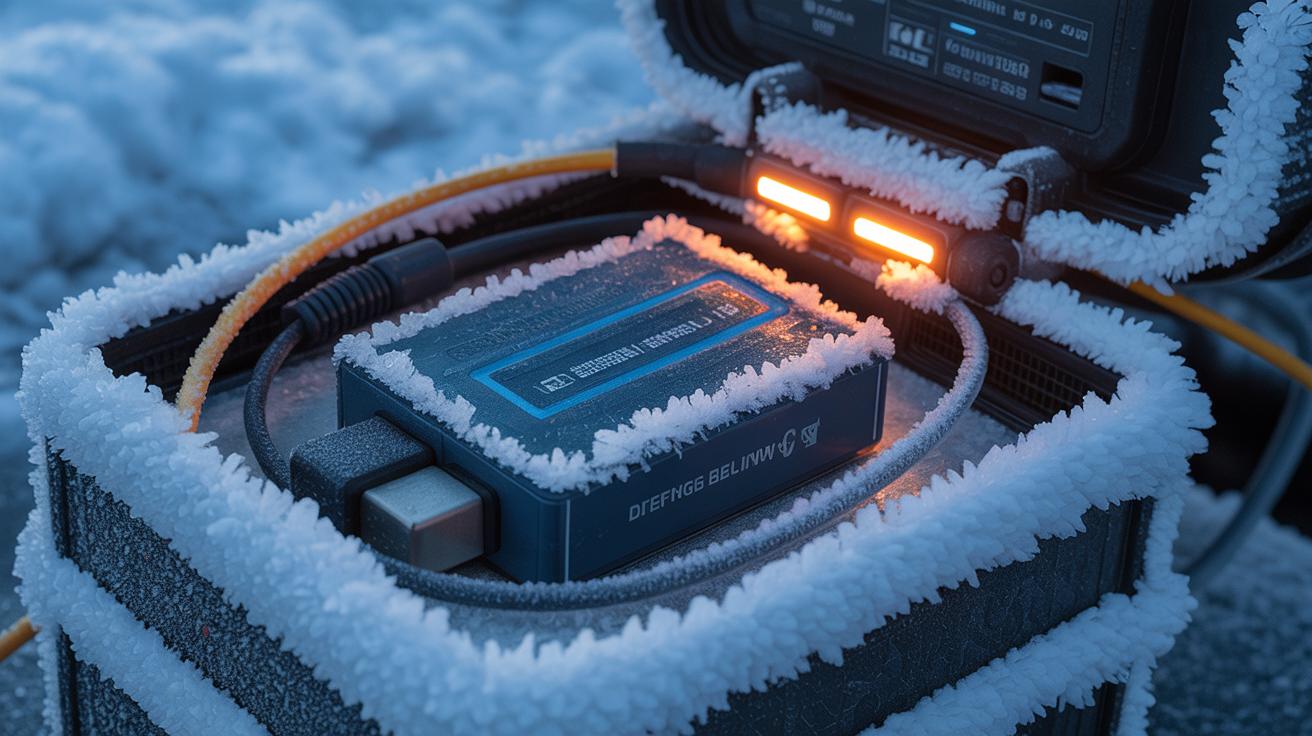
Wide Temp cells include a low-power internal pre-conditioning element that pulls roughly 1.5–2.0% of pack capacity to bring cell temperature into the safe charging window before the BMS authorizes current acceptance. The clever part is that the trigger is closed-loop on cell temperature — not ambient — so the system doesn't waste energy when the pack is already warm enough internally. From a dead-cold −40°F start, the bank typically reaches charge-acceptance temperature in under 10 minutes and resumes full nameplate charge rate. That's the difference between a solar-charged off-grid cabin that recovers each morning and one that progressively drifts toward zero state-of-charge through January.
Conclusion
Charging batteries in cold weather presents unique challenges, but with the right practices and technology, these challenges can be effectively managed. LiFePO4 batteries from Wide Temp Batteries offer unparalleled performance and safety in extreme temperatures, making them the ideal choice for industries that operate in harsh conditions. By following the outlined best practices, you can ensure your battery systems remain efficient, safe, and reliable, even in the coldest environments.
Reviewed By
This article was reviewed by the engineering team at Wide Temp Batteries, including Darrell Jakins, CEO and a 20-plus-year veteran of advanced battery system design. Specifications, cycle figures, and operating ranges referenced in this piece are drawn from our published cell datasheets and the current revision of our 10-year warranty documentation.
Curious about the exact pre-conditioning energy budget for your specific pack size? Reach out to our team and we'll walk you through the engineering data, real-world deployment results, and the exact configuration that fits your application.
Reviewed by Intelligent Power Engineering Team
This article was written and fact-checked by our in-house battery engineering team with 50+ years of combined experience in LiFePO4 technology and wide temperature battery systems.
Meet our team →