For homeowners shopping wide-temperature storage: the most useful thing you can ask any sales rep is "What's the rated kWh on January 8th at 5am, with the battery in my unconditioned garage?" Most spec sheets don't answer it. Wide Temp's does — because that number and the spec-sheet number are the same.
Why Extreme Climates Challenge Traditional Home Battery Storage
Homeowners in extreme climate zones—whether facing the sweltering heat of the Arizona desert, the bone-chilling winters of Minnesota, or the fluctuating temperatures at high mountain elevations—know that maintaining reliable power storage is a unique challenge. Conventional battery storage for home systems often struggle in these environments. Batteries installed in unconditioned spaces like garages or basements can overheat during summer or become too cold to operate efficiently in winter, leading to premature failure and costly replacements.
Standard lithium-ion batteries typically operate within a narrow temperature range, commonly between 32°F and 104°F (0°C to 40°C). Outside these limits, chemical reactions inside the battery slow down or accelerate detrimentally, causing reduced capacity, increased internal resistance, or safety risks. For example, in summer, a garage in Phoenix can exceed 140°F (60°C), causing traditional batteries to degrade rapidly. Conversely, a Minnesota winter can plunge below -40°F (-40°C), freezing electrolyte and shutting down battery performance.
The Impact of Temperature Extremes on Battery Performance
Temperature extremes can affect battery performance in several critical ways:
- Reduced capacity: Cold temperatures slow the electrochemical reactions inside batteries, reducing the amount of usable energy available during peak demand or outages.
- Accelerated degradation: High temperatures accelerate chemical breakdown, shortening the overall battery lifespan and increasing the risk of thermal runaway.
- Charging inefficiency: Batteries exposed to extreme cold may not accept charge properly, leading to incomplete charging cycles and diminished reliability.
- Safety concerns: Overheating can lead to swelling, venting, or, in worst cases, fire hazards—especially with conventional lithium-ion chemistries.
These factors make installing battery storage for home in extreme climates more than a simple plug-and-play solution. Often, homeowners resort to costly thermal management systems such as heated enclosures, air conditioning, or ventilation systems to keep batteries within safe operating temperatures.
Wide Temperature LiFePO4 Batteries: Engineered for Extreme Conditions
Intelligent Power’s Wide Temp LiFePO4 batteries offer a breakthrough solution tailored for extreme climates. Designed to operate reliably from -40°F to 140°F (-40°C to 60°C), these batteries eliminate the need for expensive thermal management systems while delivering industry-leading performance.
Key advantages include:
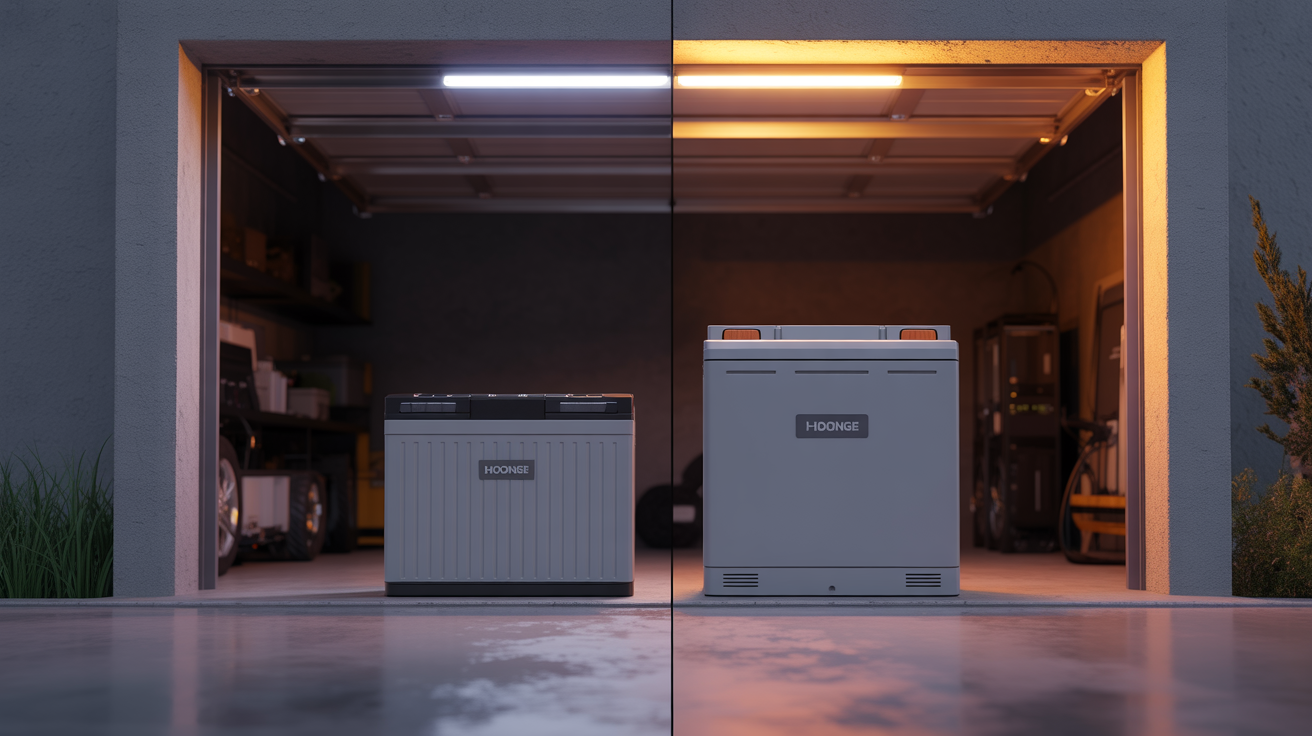
- Extended temperature range: The LiFePO4 chemistry is inherently stable and safe at both subzero and high temperatures, allowing for seamless operation in unheated garages, uninsulated basements, or exposed outdoor enclosures.
- Long cycle life: Rated for over 4,000 cycles at 100% depth of discharge, Wide Temp batteries provide years of dependable backup power even under harsh environmental stress.
- Improved safety: LiFePO4 cells resist thermal runaway and are less prone to swelling or venting compared to other lithium-ion batteries, making them suitable for residential installations in challenging conditions.
- Reduced maintenance and operating costs: By removing the need for active cooling or heating systems, homeowners save on both upfront equipment and ongoing energy consumption.
Real-World Applications in Extreme Climate Zones
Arizona Desert Heat: In Phoenix and other desert cities, summer temperatures routinely climb above 110°F, and enclosed garages can reach upwards of 140°F. Traditional batteries installed here often overheat, losing capacity and risking lifespan reduction. Wide Temp batteries, installed indoors or in ventilated spaces, continue to perform optimally without additional cooling, ensuring uninterrupted power during outages or peak usage.
Minnesota Winters: In Minnesota, winter temperatures can drop below -40°F, causing many batteries to freeze or become non-functional. Wide Temp LiFePO4 batteries maintain charge acceptance and discharge capability in these frigid temperatures, making them ideal for unheated garages or basements without the need for supplemental heating.
Mountain Elevations: High-altitude homes face extreme temperature swings—from scorching days to freezing nights. The Wide Temp solution’s broad operating range and robust chemistry offer consistent performance, enabling homeowners to rely on their battery storage year-round without degradation from thermal cycling.
Installation Considerations for Extreme Climate Battery Storage
Even with Wide Temp batteries, proper installation is crucial to maximize performance and safety:
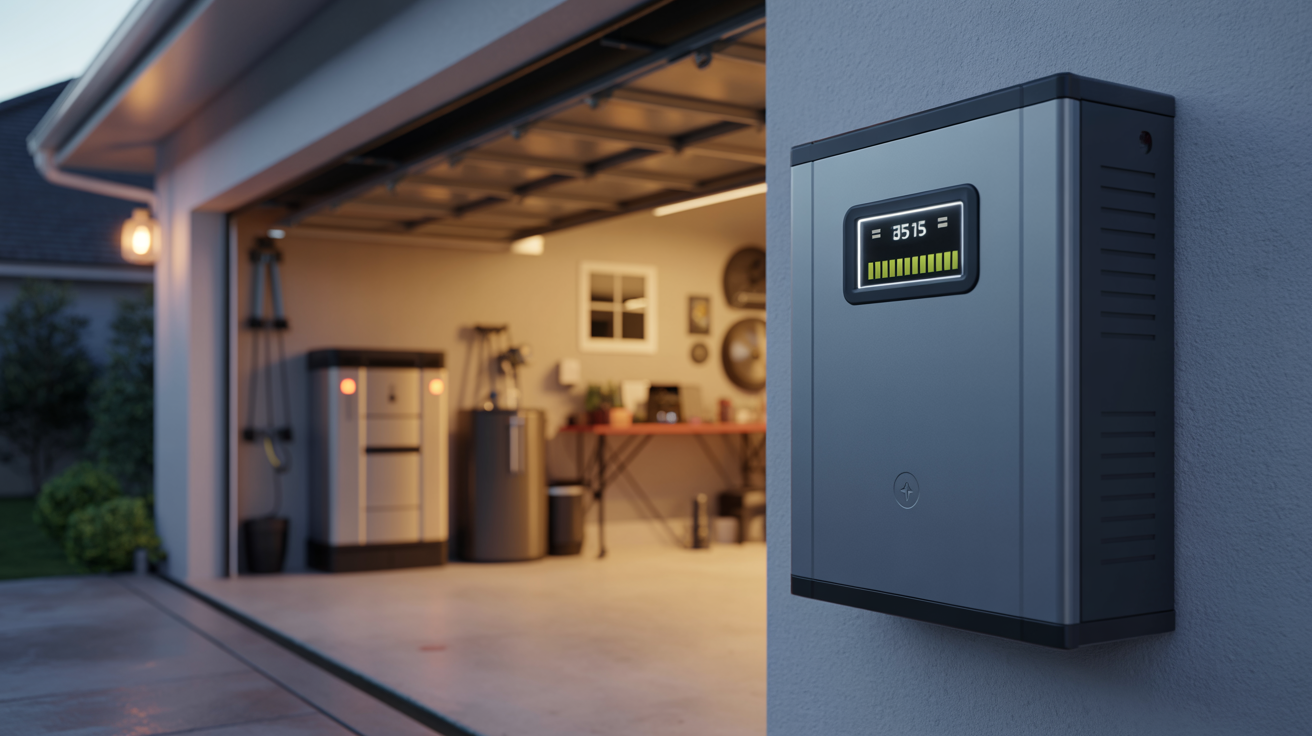
- Location: While Wide Temp batteries tolerate harsh temperatures, placing them in sheltered, well-ventilated areas extends longevity and simplifies maintenance.
- Battery Management System (BMS): Intelligent Power’s integrated BMS monitors temperature, voltage, and current, providing real-time protection and optimizing battery health under extreme conditions.
- Professional installation: Compliance with local codes and UL certifications (such as UL 1973 and UL 9540) ensures safe, reliable home battery systems that qualify for incentives.
What Real-World Climate Resilience Looks Like for a Homeowner
For a homeowner, climate resilience usually shows up as three concrete benefits: full inverter capacity available during a winter outage (the morning the grid fails is also the coldest morning), no garage-conditioning HVAC required to protect the bank, and an installation footprint that's the same in Phoenix and in Anchorage. We size, ship, and warranty the same pack for both. That uniformity is the biggest single reason our installers report Wide Temp jobs close faster than competitive jobs — the homeowner doesn't have to ask the climate question twice.
Why Choose Wide Temp Batteries for Your Home Energy Storage
For homeowners seeking reliable battery storage for home in extreme climates, Intelligent Power’s Wide Temp LiFePO4 batteries represent a technically superior choice. Their ability to operate safely and efficiently from -40°F to 140°F without costly thermal management systems delivers peace of mind and long-term energy resilience.
By opting for Wide Temp batteries, homeowners can:
- Maximize usable energy capacity regardless of climate extremes
- Reduce installation complexity and associated costs
- Extend battery lifespan through superior chemistry and engineering
- Ensure safe, stable operation in challenging environments
Whether you live in the blistering heat of the desert, the frigid north, or high mountain regions, Wide Temp batteries provide a dependable backbone to your home energy system—transforming your property into a true energy resilient hub.
Reviewed By
This article was reviewed by the engineering team at Wide Temp Batteries, including Darrell Jakins, CEO and a 20-plus-year veteran of advanced battery system design. Specifications, cycle figures, and operating ranges referenced in this piece are drawn from our published cell datasheets and the current revision of our 10-year warranty documentation.
Want a climate-specific sizing recommendation for your home and zip code? Reach out to our team and we'll walk you through the engineering data, real-world deployment results, and the exact configuration that fits your application.
Reviewed by Intelligent Power Engineering Team
This article was written and fact-checked by our in-house battery engineering team with 50+ years of combined experience in LiFePO4 technology and wide temperature battery systems.
Meet our team →