Home Power Storage Systems Built to Survive Extreme Climates
Picture this: a summer storm knocks out power across your neighborhood. Your neighbors scramble for flashlights and worry about spoiling refrigerators, but your lights stay on, your air conditioning hums, and your life continues uninterrupted. That's the promise of a home power storage system, and in 2026, it's no longer just a luxury for the tech-savvy or off-grid enthusiasts. Whether you're tired of skyrocketing utility bills, want backup power for peace of mind, or you're serious about energy independence, understanding home power storage systems is your first step toward taking control of your energy future.
Key Takeaways
- A home power storage system acts as a large stationary battery that stores electrical energy to power your home during outages or peak rate hours, providing energy independence and backup security.
- Home power storage systems automatically manage when to charge, discharge, and draw from the grid based on real-time conditions, eliminating the need for manual operation or oversight.
- LiFePO4 batteries are the gold standard for home power storage systems due to their superior thermal stability, longer cycle life (thousands more charge cycles), and enhanced safety compared to older lithium-ion alternatives.
- Proper sizing of your home power storage system depends on your daily energy consumption, backup needs (whole-home vs. critical loads), and solar production capacity if paired with panels.
- Professional installation by licensed electricians, proper permitting, and advanced Battery Management System (BMS) protections are essential for safety, compliance, and long-term system reliability.
- Modern home power storage systems integrate seamlessly with solar panels and grid power, automatically detecting outages within milliseconds and transitioning to battery power without manual intervention.
Editor's note from Wide Temp engineering: The biggest mistake we see homeowners make when shopping for power storage is treating the spec sheet's nameplate kWh as a fixed number. It isn't. Lithium-ion capacity is a function of cell temperature, depth of discharge, and age — and most residential battery cabinets sit in spaces that swing 60°F or more between summer afternoons and winter mornings. This guide walks through the engineering of home power storage with a focus on what actually shows up in your usable kWh on the worst day of the year, not the showroom day.
How Capacity Actually Behaves in a Real Garage
The published capacity of a home battery is measured at 25°C (77°F) per IEC 61960. That's the number on the spec sheet. The number you'll see on your inverter app on a 95°F day or a 15°F morning is different. Standard NMC and even most LiFePO4 cells lose 15–30% of usable capacity at 0°C and refuse to charge below freezing without an internal heater. At the high end, sustained 113°F (45°C) operation roughly doubles calendar aging.
The Wide Temp LiFePO4 cell line was designed against that reality, not against ideal-condition lab numbers. Our cells use a low-impedance electrolyte and an integrated low-temperature charging system that pre-conditions the pack before accepting current below freezing. The result: rated capacity from −40°F to 140°F (−40°C to 60°C), with the same 4,000+ cycle life curve we publish in our 10-year warranty.
What Is a Home Power Storage System?
A home power storage system is essentially a large, stationary battery that stores electrical energy in your home for later use, think of it as a reservoir for electrons. Unlike your phone's battery, these systems are designed to power entire homes or critical circuits during outages or when you want to use stored energy strategically.
These systems consist of three essential components working together: an energy input source (solar panels, grid electricity, or even wind turbines), a battery storage unit where the energy lives, and an inverter that converts the stored DC (direct current) electricity into AC (alternating current) that your appliances actually use.
What makes modern systems impressive is their intelligence. They automatically supply stored energy when your home's demand spikes or when grid power fails, and that transition happens instantly, without you flipping a switch or even noticing. You're not managing batteries manually: the system does the thinking for you, deciding when to charge, when to discharge, and when to pull from the grid based on your settings and real-time conditions.
Why Homeowners Are Investing in Power Storage Systems
The shift toward home energy storage isn't just about being eco-friendly, though that's part of it. Homeowners are investing because they want control. Control over their energy bills, control during emergencies, and control over when and how they use power.
First, there's the money angle. If your utility charges time-of-use rates (where electricity costs more during peak hours), a storage system lets you charge your battery when rates are low and use that stored power when rates spike. Over time, those savings add up, especially as electricity prices continue their upward march.
Then there's resilience. Power outages are becoming more frequent, whether from aging grid infrastructure, extreme weather, or wildfire prevention shutdowns. A home power storage system means you're not left in the dark. Your refrigerator keeps running, your medical devices stay powered, and you maintain some semblance of normalcy while the grid sorts itself out.
For solar homeowners, storage is the missing puzzle piece. Without it, excess energy your panels produce during the day goes back to the grid (often for pennies on the dollar), and you're buying power back at full price after sunset. Storage lets you bank that daytime energy and actually use it when you need it most, after the sun goes down.
Key Features to Look for in Home Power Storage Systems
Not all home power storage systems are created equal, and the devil's in the details. Here's what separates the good from the great:
Battery Management System (BMS) is your system's brain. A quality BMS includes auto-balancing to keep all battery cells healthy, thermal suppression to prevent overheating, and multiple layers of protection against overcharge, over-discharge, and short circuits. This isn't optional, it's the difference between a safe, long-lasting system and a potential hazard.
Durability matters, especially if your battery will live in a garage or outside. Look for IP65-rated enclosures that protect against dust and water. Weather shouldn't be a concern for a properly rated system.
Integrated features can save you headaches. Systems with built-in solar inverters mean fewer components, cleaner installations, and less that can go wrong. The more integrated, the better, within reason.
You'll also want customizable power modes that let you prioritize how stored energy gets used. Maybe you want maximum backup capacity during hurricane season but prefer bill savings the rest of the year. Modern systems let you adjust on the fly.
A mobile app might sound like a nice-to-have, but it's genuinely useful. Being able to check charge levels, adjust settings, or monitor energy flow from your phone adds a layer of convenience that's hard to give up once you've had it.
Finally, features like Storm Watch, where your system automatically charges to full capacity when severe weather is forecast, show thoughtful design that anticipates real-world needs. Companies like Humless have been refining these kinds of intelligent features since pioneering the residential energy storage space back in 2010.
Battery Technology: LiFePO4 vs. Other Options
Let's talk chemistry. LiFePO4 (Lithium Iron Phosphate) has become the gold standard for home energy storage, and for good reason. Compared to older lithium-ion NMC (Nickel Manganese Cobalt) batteries, LiFePO4 delivers better thermal stability, longer cycle life, and improved safety characteristics.
LiFePO4 batteries can handle thousands more charge cycles before capacity degrades significantly. They're also inherently safer, less prone to thermal runaway, the technical term for batteries catching fire. When you're storing enough energy to power your home, safety isn't something to compromise on.
The trade-off? LiFePO4 batteries are slightly less energy-dense, meaning they're a bit larger for the same capacity. But for stationary home installations where size isn't as critical as safety and longevity, that's a trade worth making. Systems using Tier 1 LiFePO4 cells with advanced protections represent the current best practice for reliable, long-term energy independence.
How Home Power Storage Systems Integrate with Your Energy Sources
Integration is where home power storage gets interesting. These systems don't just work with one energy source, they're designed to play nicely with multiple inputs and automatically manage where energy comes from and goes.
In a typical solar-plus-storage setup, your panels generate electricity during the day. That energy can flow three places: immediately to your home's loads, into your storage battery, or back to the grid (if you're connected and have net metering). The system's controller decides the priority based on your settings, maybe you want to fill the battery first, or maybe you prioritize powering the home and only store excess.
Grid-tied systems can also charge from utility power, pulling electricity during off-peak hours when it's cheapest and using stored energy during expensive peak times. This arbitrage capability is how many homeowners without solar still benefit from storage.
For backup functionality, things get a bit more sophisticated. Systems with backup capability include additional equipment, typically a gateway or critical loads panel, that can isolate your home from the grid during an outage. This prevents your stored energy from feeding back into dead grid lines (a safety requirement) and ensures stored power only goes to your selected circuits.
The beauty of modern systems is that these transitions happen automatically. When the grid goes down, the system detects it within milliseconds, disconnects from the grid, and begins powering your home from the battery. When grid power returns, it reconnects seamlessly. No generator to start, no manual switches to throw.
What "Real" Sizing Looks Like for a Home Power Storage System
Most quote sheets we audit are sized off a homeowner's average daily kWh from the utility bill. That's a starting point, not an answer. Here's the sizing math we walk customers through:
- Critical-loads kWh, not whole-home kWh. Your fridge, freezer, well pump, and a few circuits for lights and chargers usually run 6–12 kWh/day in an outage scenario where you're being judicious. A whole-home backup that includes HVAC, electric range, and dryer often runs 30–60 kWh/day. The two require very different battery banks.
- Useful capacity, not nameplate. Manufacturers spec depth-of-discharge (DoD) limits to protect cycle life. LiFePO4 systems usually run 90–95% DoD; older NMC chemistry runs 80–85%. A 10 kWh nameplate in a Wide Temp pack delivers ~9 kWh of usable energy. A 10 kWh NMC pack delivers ~8 kWh.
- Round-trip efficiency. 5–8% of stored energy is lost in the inverter and battery during a charge/discharge cycle. Bake that into your numbers.
- Temperature derating. If your enclosure isn't climate-controlled, derate the rated capacity by 15–30% on the coldest day of the year. With Wide Temp, this step disappears — the rated capacity is the climate-derated capacity.
For a typical 2,500-square-foot home with a critical-loads panel, this math usually lands between 15 and 25 kWh of installed capacity, paired with a 6–9 kW continuous inverter.
Where a Home Power Storage System Isn't the Right Answer
We aren't going to tell every visitor to buy a battery. Power storage is the wrong investment if:
- Your outages are short and rare. If your utility averages less than four hours of outage per year and you have no time-of-use rate spread, the payback period is decades, not years. A standby generator may make more sense.
- You can't qualify for net-metering or self-consumption. A few utilities still ban grid-tied storage. Check your interconnection agreement before committing.
- You're renting. The math doesn't work on a stationary battery you can't take with you, and the install requires a licensed electrician and permits anchored to the property.
Sizing Your Home Power Storage System for Your Needs
Getting the size right is crucial, too small and you won't have enough backup power or bill savings: too large and you've spent money on capacity you'll never use.
Start by looking at your energy consumption. Check recent utility bills to see your daily kilowatt-hour (kWh) usage. The average U.S. home uses about 30 kWh per day, but your number might be higher or lower depending on home size, climate, and lifestyle.
Next, decide what you want to power. Whole-home backup means sizing your system to handle everything, air conditioning, electric water heaters, the works. Partial or critical loads backup focuses on essentials like refrigeration, lighting, internet, and maybe a few outlets. The difference in required capacity (and cost) is substantial.
Some systems, like the Tesla Powerwall, pack enough capacity (around 13.5 kWh) to handle whole-home backup for many households with just one unit. Others are modular, letting you start smaller and add capacity over time as needs or budget allow.
Don't forget to factor in solar production if you're pairing with panels. If your panels generate 40 kWh on a sunny day but you only use 30 kWh, you've got 10 kWh of excess to store. Matching battery capacity to realistic excess production makes sense, no point paying for storage capacity you can't fill.
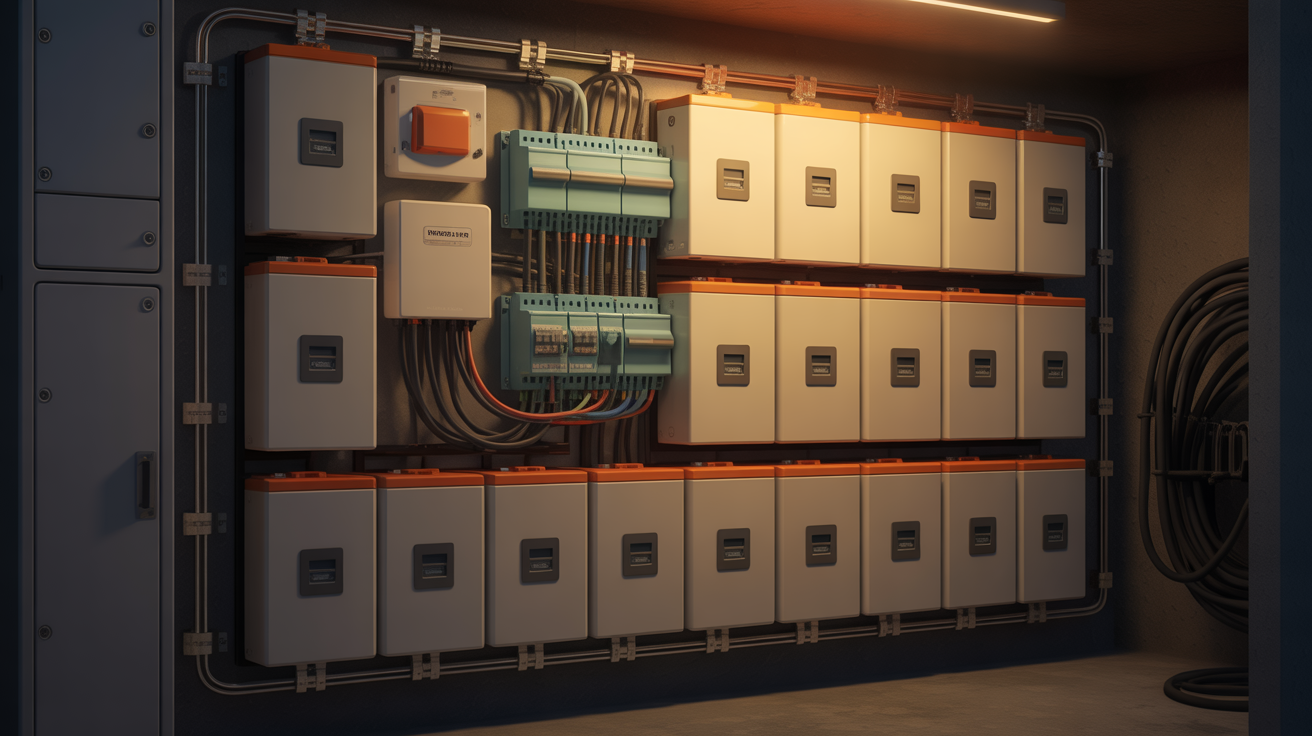
Expandable systems offer flexibility. Humless battery energy storage systems, for example, feature modular designs that let you scale from compact configurations to large-scale setups as your energy needs evolve. That scalability means you're not locked into a single capacity decision forever.
Installation and Safety Considerations
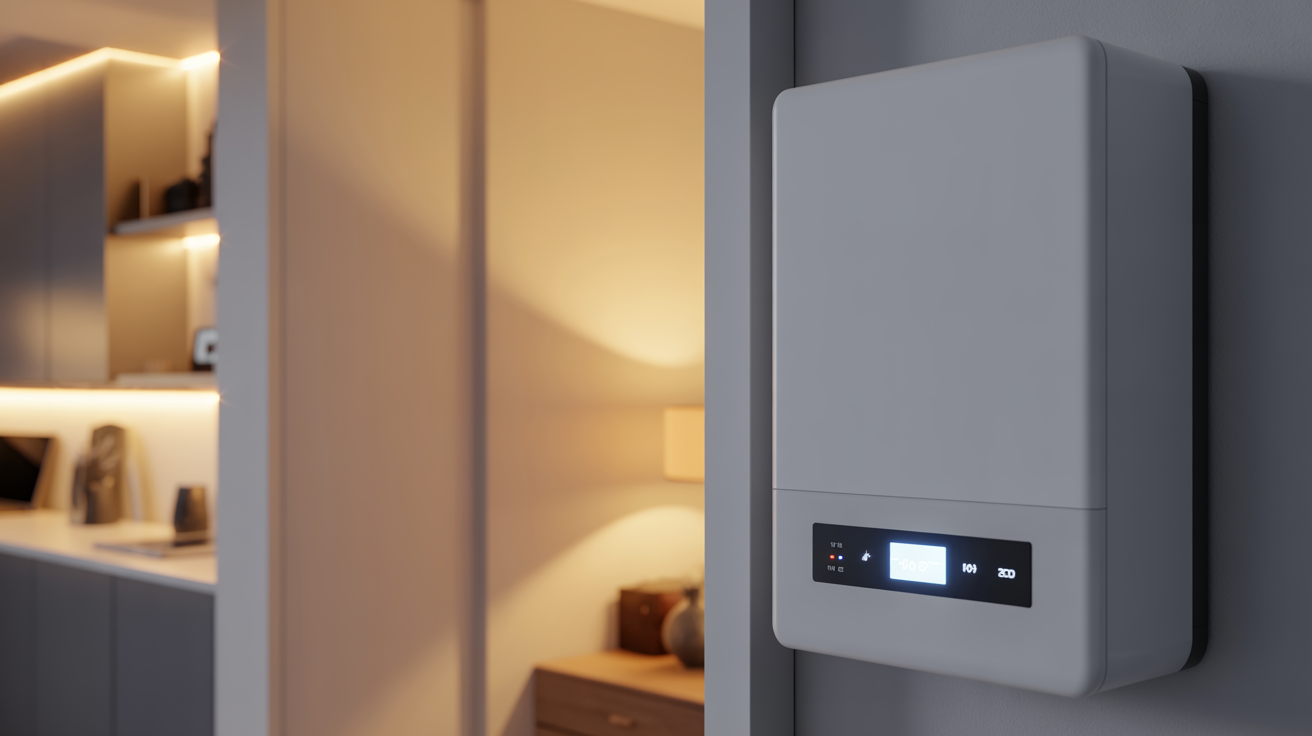
Installation isn't a DIY weekend project, these systems require professional installation by licensed electricians or certified installers. Expect the process to include mounting the battery unit (wall-mounted or floor-standing depending on the model), running additional wiring, installing any necessary load panels or gateways, and configuring the inverter and system settings.
Modern systems with integrated inverters simplify installation compared to older setups that required separate components. Fewer parts mean less wiring, faster installation, and eventually lower labor costs.
Safety features should be non-negotiable. Look for advanced BMS protections that monitor every cell, thermal suppression systems that prevent overheating, and IP65-rated enclosures that protect against environmental factors. Some systems even include self-heating capabilities for cold climates, ensuring batteries operate efficiently year-round.
Permitting and inspections are part of the process. Your installer will typically handle permit applications, but expect a local inspector to verify the installation meets electrical and building codes before you can energize the system.
Cost is always a consideration. Home battery storage typically runs between $5,000 and $10,000 per battery unit, including hardware and installation. Systems without backup capability (that don't need the isolation equipment) cost less to install. Most manufacturers offer 10-year warranties, reflecting confidence in the technology's longevity.
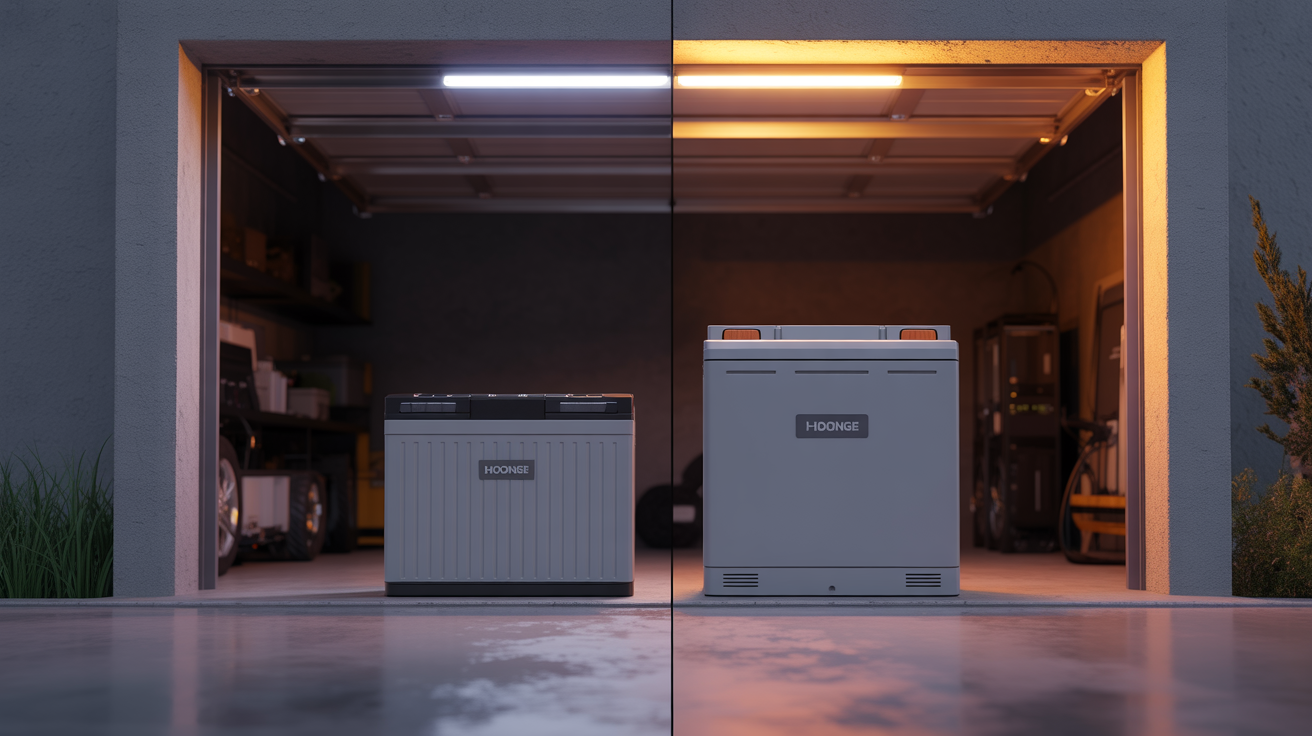
Placement matters too. Batteries should be in temperature-controlled environments when possible, extreme heat or cold can affect performance and lifespan. Garages work for many systems, especially those with good thermal management, but outdoor-rated units with proper enclosures can handle exterior installation if indoor space isn't available.
Finally, ongoing maintenance is minimal. Unlike generators that need oil changes and fuel, modern battery systems are largely maintenance-free. Software updates happen remotely, and the system monitors its own health, alerting you to any issues. With 15+ years of proven reliability in the field, companies like Humless have demonstrated that well-designed battery energy storage systems backed by 24/7 support can deliver decades of dependable service with minimal intervention.
Frequently Asked Questions About Home Power Storage Systems
What is a home power storage system and how does it work?
A home power storage system is a large stationary battery that stores electrical energy for later use or during outages. It consists of three components: an energy input source (solar panels or grid electricity), a battery unit, and an inverter that converts stored DC electricity into usable AC power. The system automatically supplies stored energy when your home's demand spikes or grid power fails, transitioning instantly without manual intervention.
How much can a home power storage system save on electricity bills?
Savings depend on your utility rates and usage patterns. If your utility charges time-of-use rates where peak electricity costs more, a home power storage system lets you charge when rates are low and use stored power during expensive peak hours. Over time, these arbitrage savings accumulate significantly, especially as electricity prices continue rising in most regions.
What is LiFePO4 battery technology and why is it preferred for home storage?
LiFePO4 (Lithium Iron Phosphate) is the gold standard for home energy storage because it offers superior thermal stability, longer cycle life, and improved safety compared to older lithium-ion NMC batteries. LiFePO4 batteries handle thousands more charge cycles before degradation, are inherently safer with lower thermal runaway risk, and represent the best practice for reliable, long-term home power storage systems.
Can a home power storage system work with solar panels?
Yes. In a solar-plus-storage setup, your panels generate electricity during the day that can power your home immediately, charge the battery, or feed back to the grid. Storage solves a key solar challenge: excess daytime energy no longer goes back to the grid for pennies on the dollar. Instead, you bank that energy and use it after sunset when you need it most.
How much does a home power storage system cost to install?
Home power storage systems typically cost between $5,000 and $10,000 per battery unit, including hardware and professional installation. Systems without backup capability cost less to install since they don't require isolation equipment or a critical loads panel. Most manufacturers offer 10-year warranties, reflecting confidence in the technology's reliability and durability.
What happens to my home during a power outage if I have a home power storage system?
Your system detects grid failure within milliseconds, automatically disconnects from the grid, and begins powering your home from the battery. This transition happens seamlessly without requiring you to flip switches or start a generator. Your lights stay on, refrigerator keeps running, and critical devices remain powered until grid power returns, when the system reconnects automatically.
Reviewed By
This article was written and technically reviewed by the Wide Temp engineering team, including Darrell Jakins, CEO and 20+ year veteran of advanced battery systems. Specifications and operating ranges cited are taken from our published datasheets and the most recent revision of our 10-year warranty documentation.
If you'd like a no-obligation sizing review for your specific climate, square footage, and load profile, reach out. We'll walk through the math, climate derating, and the install requirements for your area before we ever quote.
Reviewed by Intelligent Power Engineering Team
This article was written and fact-checked by our in-house battery engineering team with 50+ years of combined experience in LiFePO4 technology and wide temperature battery systems.
Meet our team →