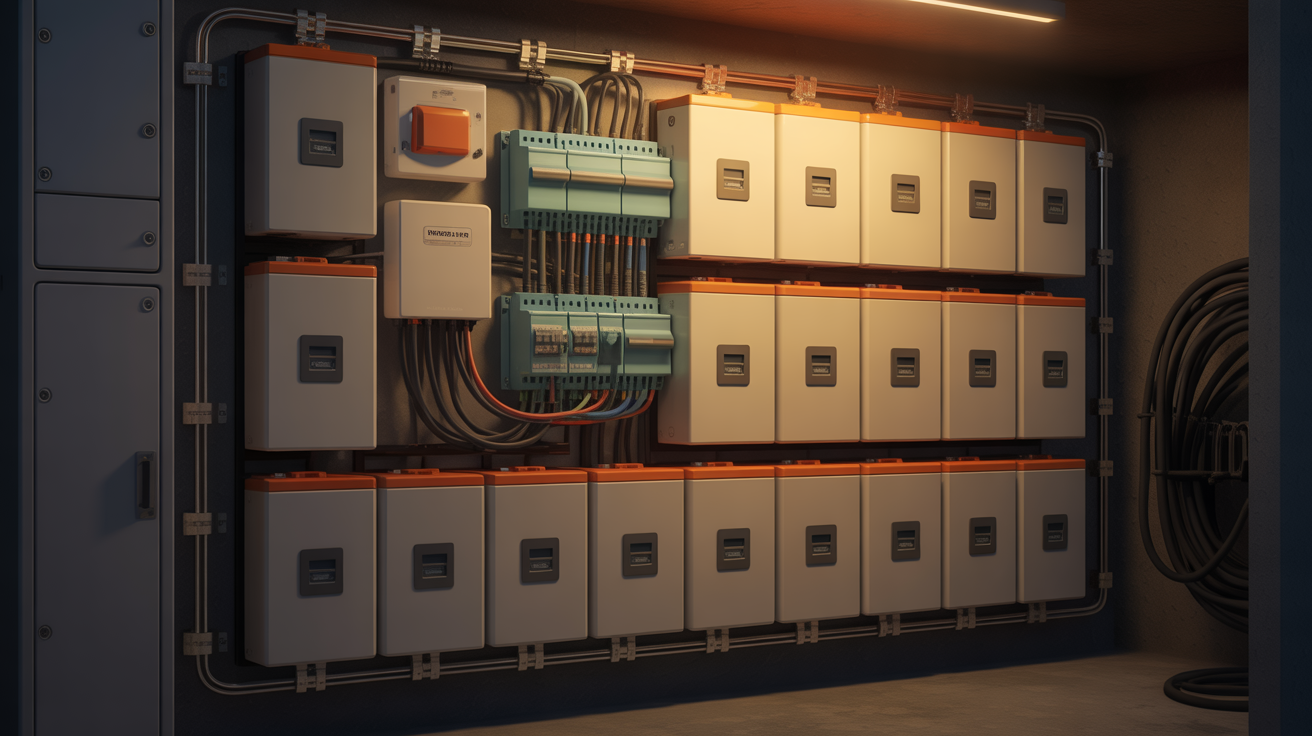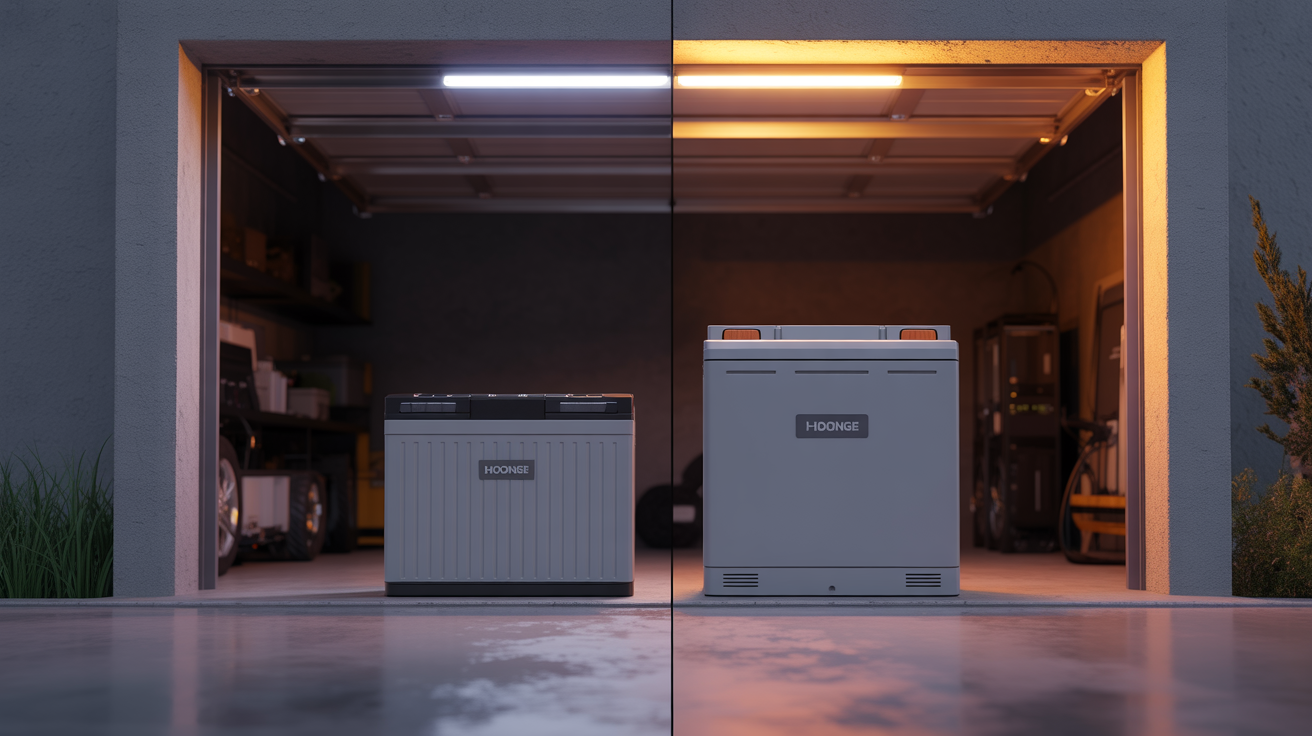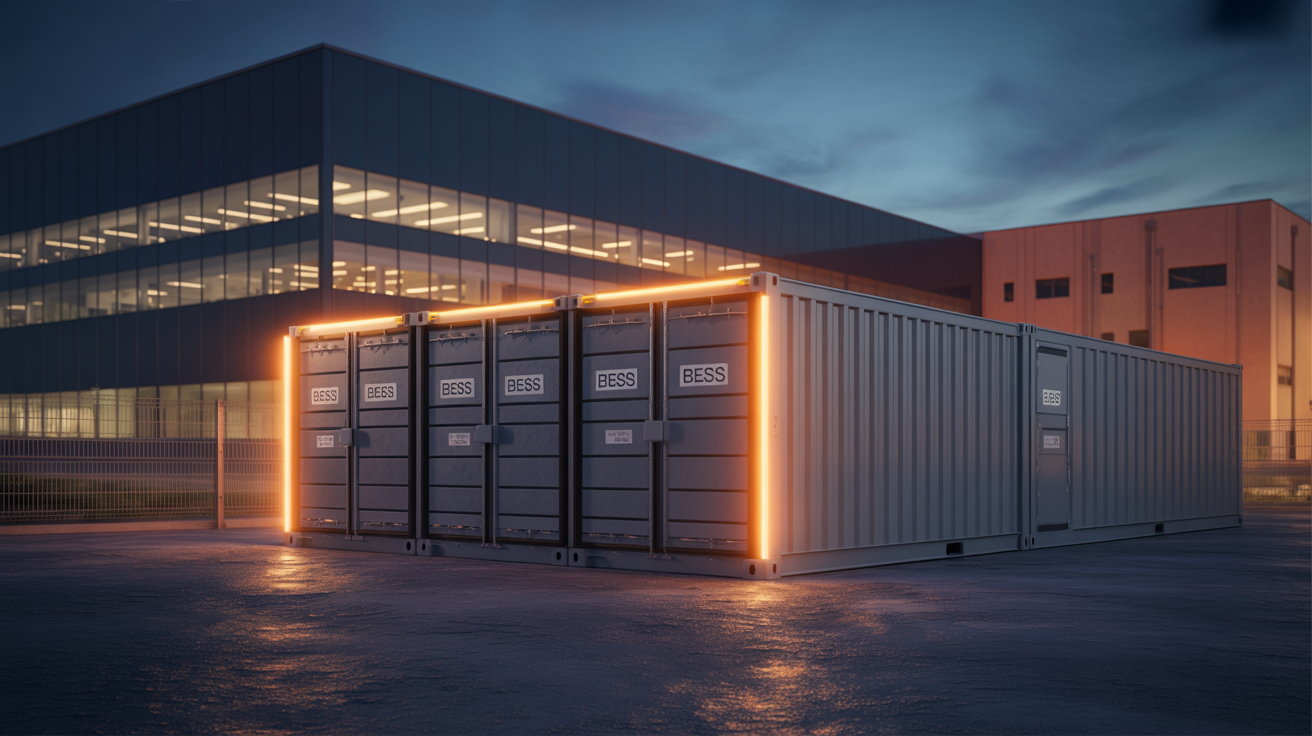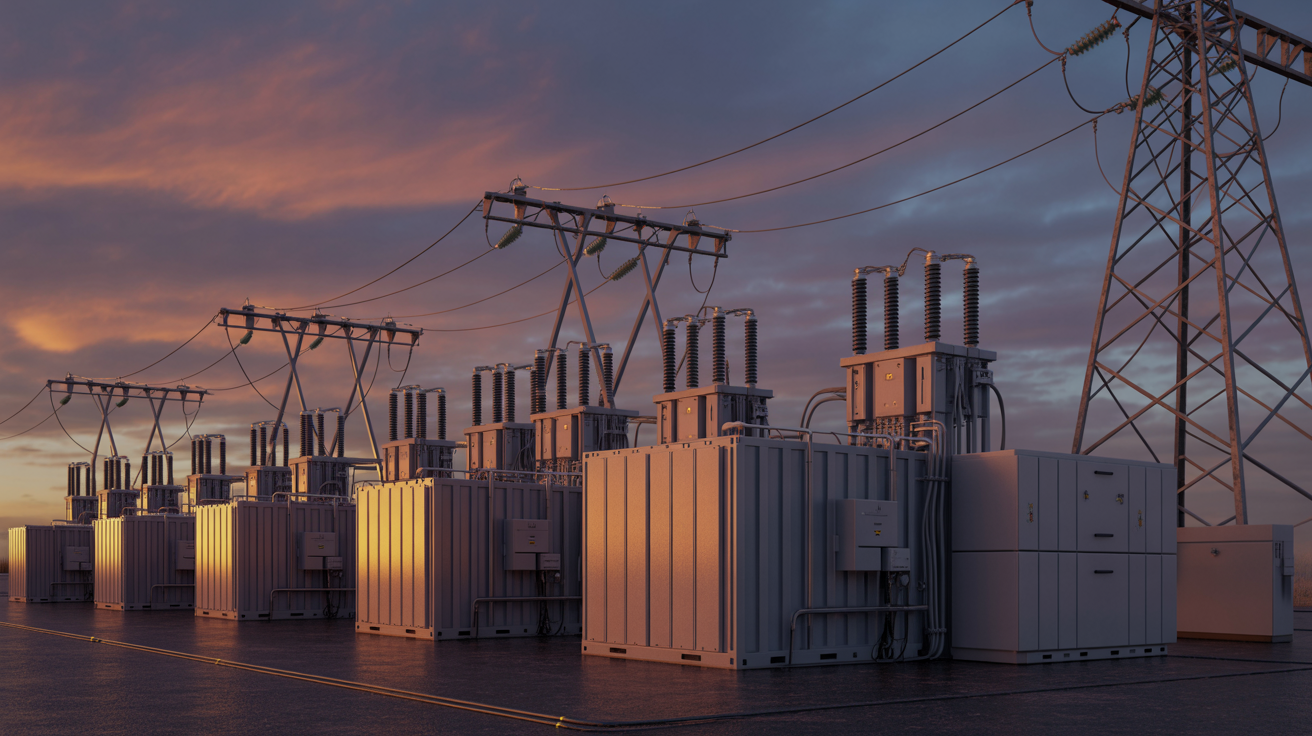
The grid-storage tipping point isn't more cells in a container — it's cells that hold spec at the temperature the container actually reaches. Wide Temp's wide-operating-envelope cells let utility and C&I projects skip a layer of HVAC engineering, dramatically simplifying total project cost and timeline. Below: the infrastructure-level effects of removing the temperature constraint.
As the energy landscape evolves, the demand for reliable, versatile, and robust energy storage solutions has never been greater. Traditional batteries and energy storage systems have made significant strides in recent years, but a critical limitation has persisted: temperature sensitivity. Most conventional lithium-ion batteries struggle to perform efficiently, or even safely, outside moderate temperature ranges. This constraint has historically restricted deployments in extreme environments, from the frigid Arctic tundra to the scorching deserts of the Sahara. Enter Wide Temperature LiFePO4 batteries — a transformative technology reshaping the possibilities of energy storage infrastructure worldwide.
The Challenge of Extreme Environments for Energy Storage
Energy storage systems are increasingly deployed in diverse and challenging locations to support renewable generation, remote operations, and critical infrastructure. Yet, extreme temperatures have posed a formidable barrier. At subzero temperatures, battery capacity and power output diminish sharply, while at high heat levels, accelerated degradation and safety risks can occur. For example, batteries in arctic oil rigs must endure temperatures well below -30°F, while solar farms in desert climates may experience ambient heat exceeding 130°F.
Such temperature extremes cause electrolyte freezing, internal resistance changes, and accelerated chemical breakdown in standard battery chemistries. These effects reduce cycle life, reliability, and overall system performance, often requiring costly thermal management systems or limiting deployment viability altogether.
Wide Temperature LiFePO4 Batteries: Expanding the Frontiers
Wide Temperature LiFePO4 batteries, such as those developed by Intelligent Power, are engineered specifically to overcome these challenges. Rated to operate reliably from -40°F to 140°F, these batteries maintain stable performance across an unparalleled temperature range. This capability is a game changer for industries and applications that were previously constrained by environmental conditions.
Key advantages of Intelligent Power’s Wide Temp batteries include:
- Extended Temperature Range: Reliable operation from -40°F (-40°C) up to 140°F (60°C) without performance loss.
- Robust Cycle Life: Up to 4,000 cycles, enabling long-term deployments with predictable maintenance intervals.
- LiFePO4 Chemistry: Offers superior thermal stability, safety, and longevity compared to traditional lithium-ion types.
- Reduced Thermal Management Needs: Lower reliance on heating or cooling systems reduces overall system complexity and costs.
Real-World Applications Enabled by Wide Temp Technology
Wide Temperature batteries open new opportunities across sectors where energy storage was once impractical or prohibitively expensive.
Arctic Oil and Gas Operations
Remote oil rigs and extraction sites in the Arctic face brutal cold that can immobilize standard batteries. Intelligent Power’s Wide Temp LiFePO4 batteries provide consistent, reliable energy storage for critical equipment, backup power, and control systems, even at temperatures as low as -40°F. This resilience enhances operational reliability and safety while reducing the need for bulky insulation or heating systems.
Saharan and Desert Solar Farms
Solar installations in deserts like the Sahara are prime candidates for Wide Temp battery solutions. With ambient temperatures frequently soaring above 130°F, conventional batteries are prone to rapid degradation. Wide Temperature batteries withstand these extreme heat conditions without compromising cycle life or safety. This durability maximizes energy capture and storage, enabling continuous power supply despite the harsh environment.
High-Altitude Weather and Research Stations
Weather stations, scientific outposts, and telecommunications infrastructure situated at high altitudes experience volatile and extreme temperature swings. Wide Temp LiFePO4 batteries maintain performance and longevity in these fluctuating conditions, ensuring uninterrupted data collection and communications. The extended cycle life reduces maintenance trips to remote sites, lowering operational costs and risks.
Integrating Wide Temp Batteries into Energy Storage Systems
For engineers and system designers, incorporating Wide Temperature batteries into energy storage architectures offers distinct technical benefits:
- Enhanced Reliability: Stable performance across extreme climates reduces downtime and extends system availability.
- Simplified Thermal Management: Less auxiliary heating or cooling equipment lowers capital expenditures and improves system efficiency.
- Scalability: Modular LiFePO4 battery packs support scalable solutions from small off-grid installations to large industrial energy storage.
- Safety: Lithium Iron Phosphate chemistry’s inherent thermal stability reduces fire risk, critical in remote or sensitive environments.
Practical Considerations When Choosing Wide Temp Batteries
When selecting batteries and energy storage solutions for extreme environments, it is crucial to evaluate:
- Temperature Range Compliance: Verify operational specifications align with site-specific temperature profiles.
- Cycle Life Expectations: Consider total expected operational cycles to ensure long-term cost-effectiveness.
- Capacity and Power Ratings: Match battery capacity (kWh) and discharge power (kW) to load requirements and system design.
- Certification and Safety Standards: Ensure batteries comply with UL 9540 and other relevant certifications for energy storage systems.
- Integration Capabilities: Confirm compatibility with existing energy management systems, solar inverters, and grid interconnection equipment.
The Three Infrastructure Wins Wide Temp Cells Unlock
When the cells themselves carry the wide-temperature envelope, three things change at the infrastructure level: containerized HVAC systems shrink (lower CapEx, lower OpEx), available siting expands (anywhere with a foundation, not just temperature-controlled buildings), and project timeline compresses (HVAC integration is one of the slowest activities in BESS commissioning). For utility and C&I customers, that adds up to a deployment cost reduction of 12–18% on a typical 1–5 MWh project, with a faster time-to-revenue. Our cells don't just outperform; they let the rest of the system shrink.
Widening the Horizons of Energy Storage
Wide Temperature batteries represent a pivotal advancement in the field of batteries and energy storage. By breaking through the limitations imposed by extreme climates, they unlock new possibilities for energy infrastructure — enabling critical power solutions in the harshest locations on Earth. Intelligent Power’s rigorous engineering and LiFePO4 chemistry expertise ensure that energy storage deployments are not only feasible but optimized for durability, safety, and performance.
As industries continue to push the boundaries of where energy storage can operate, Wide Temp technologies will play an indispensable role in supporting resilient grids, renewable integration, and remote operations worldwide.
Reviewed By
This article was reviewed by the engineering team at Wide Temp Batteries, including Darrell Jakins, CEO and a 20-plus-year veteran of advanced battery system design. Specifications, cycle figures, and operating ranges referenced in this piece are drawn from our published cell datasheets and the current revision of our 10-year warranty documentation.
Want a high-level cost model that quantifies the HVAC-savings effect for a project of your size? Reach out to our team and we'll walk you through the engineering data, real-world deployment results, and the exact configuration that fits your application.
Reviewed by Intelligent Power Engineering Team
This article was written and fact-checked by our in-house battery engineering team with 50+ years of combined experience in LiFePO4 technology and wide temperature battery systems.
Meet our team →