The reason industrial-outdoor packs fail prematurely is rarely the seal rating — it's thermal cycling. A battery that lives outside sees roughly 2x the seasonal thermal range a battery in a building does, and standard LiFePO4 simply isn't qualified for that duty. Wide Temp's cells are validated to 4,000 full cycles across a −40°F to 140°F operating envelope — which is why our outdoor packs hit warranty in the field, not just in the lab.
In today's fast-paced industrial landscape, the demand for reliable power solutions in remote applications is more critical than ever. Industries such as telecommunications, oil and gas, and scientific expeditions often operate in extreme environments where traditional batteries may not perform adequately. This is where an industrial outdoor battery comes into play, offering durability, efficiency, and reliability. In this article, we will explore the essential factors to consider when selecting an industrial outdoor battery for remote applications, and how Wide Temp Batteries can provide the ideal solution.
Understanding the Needs of Your Application
Before selecting an industrial outdoor battery, it's crucial to understand the specific requirements of your application. Here are some key considerations:
1. Operating Temperature Range
Remote applications often expose batteries to extreme weather conditions. An industrial outdoor battery must perform effectively in both high and low temperatures. For instance, Wide Temp Batteries are engineered to operate in environments ranging from -40°C to +75°C, making them ideal for harsh climates.
2. Energy Requirements
Calculate the total energy demand of your application. This involves assessing the power consumption of all devices that will be powered by the battery. Ensure that the selected industrial outdoor battery has adequate capacity to meet these demands without frequent recharging.
3. Cycle Life
Cycle life refers to how many complete charge and discharge cycles a battery can undergo before its capacity significantly diminishes. A longer cycle life translates to lower replacement costs over time. Wide Temp Batteries offer an impressive cycle life of 4,000 cycles, ensuring longevity and reliability for your operations.
Key Features to Look For
When selecting an industrial outdoor battery, several key features can enhance performance and reliability:
1. Built-In Battery Management System (BMS)
A built-in BMS is crucial for monitoring and managing battery health. It helps prevent overcharging, overheating, and short circuits, thus extending the battery's lifespan and ensuring safety during operation.
2. No-Dendrite Technology
Dendrite formation can lead to battery failure, especially in lithium batteries. Choosing an industrial outdoor battery that incorporates no-dendrite technology can help mitigate this issue, enhancing performance in challenging conditions.
3. Cold-Charging Capability
In remote locations, temperatures may drop significantly, making it challenging to charge batteries. Selecting an industrial outdoor battery that allows for cold charging ensures that you can replenish power even in sub-zero temperatures, thus minimizing downtime.
Evaluating the Manufacturer
When choosing an industrial outdoor battery, it’s essential to evaluate the manufacturer’s reputation and experience. Look for a company that specializes in batteries designed for extreme conditions. Wide Temp Batteries is a leader in this field, known for its high-quality LiFePO4 batteries that meet the rigorous demands of various industries.
1. Customer Support and Service
Reliable customer support can be a significant factor in your decision. Ensure that the manufacturer provides comprehensive support, including installation guidance, maintenance tips, and troubleshooting assistance.
2. Warranty and Reliability
Consider the warranty offered by the manufacturer. A robust warranty indicates confidence in the product's reliability and performance. Wide Temp Batteries typically features warranties that reflect their commitment to quality and customer satisfaction.
Real-World Applications of Industrial Outdoor Batteries
Understanding how industrial outdoor batteries are used in various sectors can help solidify your decision:
- Telecommunications: Reliable power is essential for cell towers and remote communication equipment, especially in areas prone to extreme weather.
- Oil & Gas: Remote drilling sites require durable batteries that can withstand harsh climates while providing consistent power for tools and equipment.
- Marine: Vessels operating in extreme conditions need batteries that can perform reliably in varying temperatures and environmental factors.
- Scientific Expeditions: Expeditions into remote areas demand lightweight, efficient power sources that can operate in extreme cold or heat.
- Firefighting: Firefighters often work in unpredictable environments, necessitating batteries that can function reliably under pressure.
The Outdoor Engineering Detail That Decides Year Five
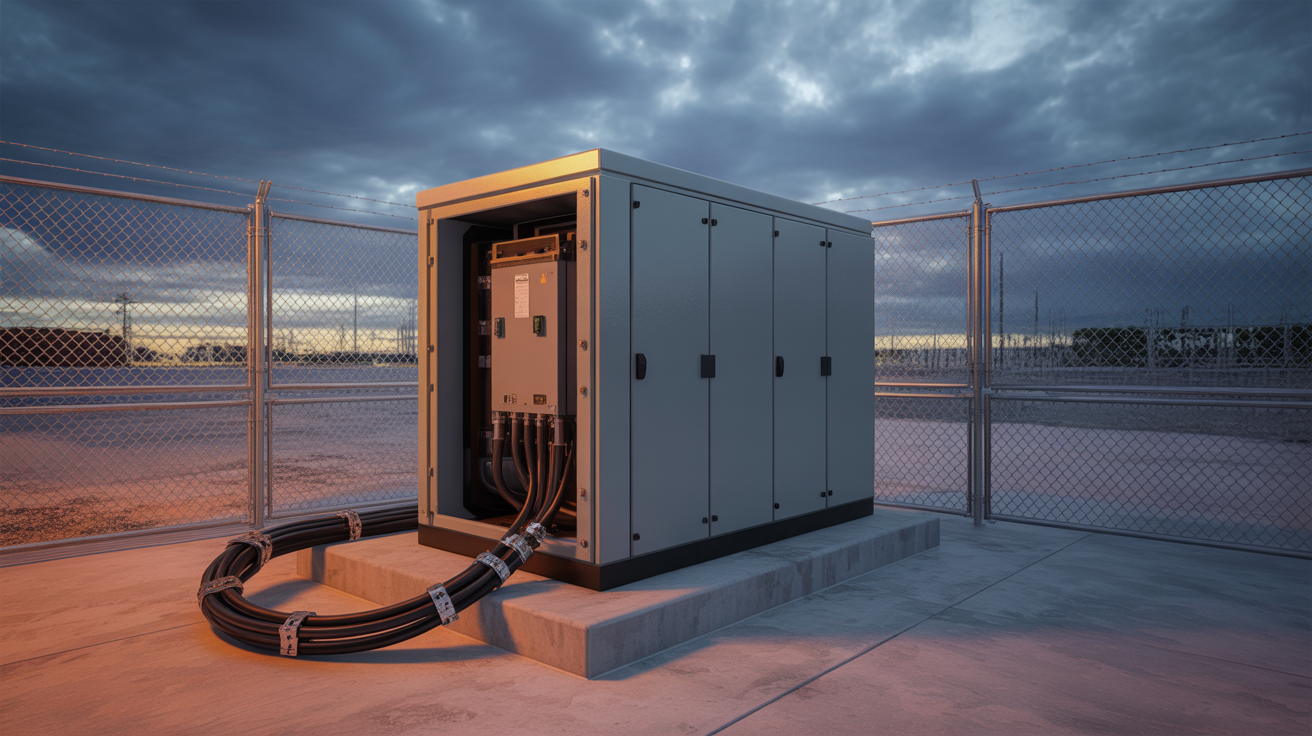
Most outdoor industrial battery enclosures fail in year four to six because of one thing: connector and bus-bar fatigue from repeated thermal cycling. Wide Temp packs use a tin-plated copper bus-bar with engineered thermal-expansion compliance, sealed M8 lug connections, and a torque-witness pattern that allows field service to verify integrity without disassembly. Combined with our IP65-rated enclosures and the fact that the pack itself doesn't derate at temperature, the entire system is engineered for the duty cycle outdoor industrial deployment actually demands.
Conclusion
Selecting the right industrial outdoor battery for remote applications can significantly impact operational efficiency and reliability. By considering factors such as operating temperature, cycle life, and essential features like a built-in BMS and cold-charging capability, you can ensure that your power solution meets the unique challenges of your industry. Wide Temp Batteries stands as a trusted provider of LiFePO4 batteries, engineered specifically for extreme environments, ensuring that your operations remain powered and productive, no matter the conditions.
Reviewed By
This article was reviewed by the engineering team at Wide Temp Batteries, including Darrell Jakins, CEO and a 20-plus-year veteran of advanced battery system design. Specifications, cycle figures, and operating ranges referenced in this piece are drawn from our published cell datasheets and the current revision of our 10-year warranty documentation.
Want a deeper dive into outdoor enclosure engineering and 5-year field-failure data? Reach out to our team and we'll walk you through the engineering data, real-world deployment results, and the exact configuration that fits your application.
Reviewed by Intelligent Power Engineering Team
This article was written and fact-checked by our in-house battery engineering team with 50+ years of combined experience in LiFePO4 technology and wide temperature battery systems.
Meet our team →