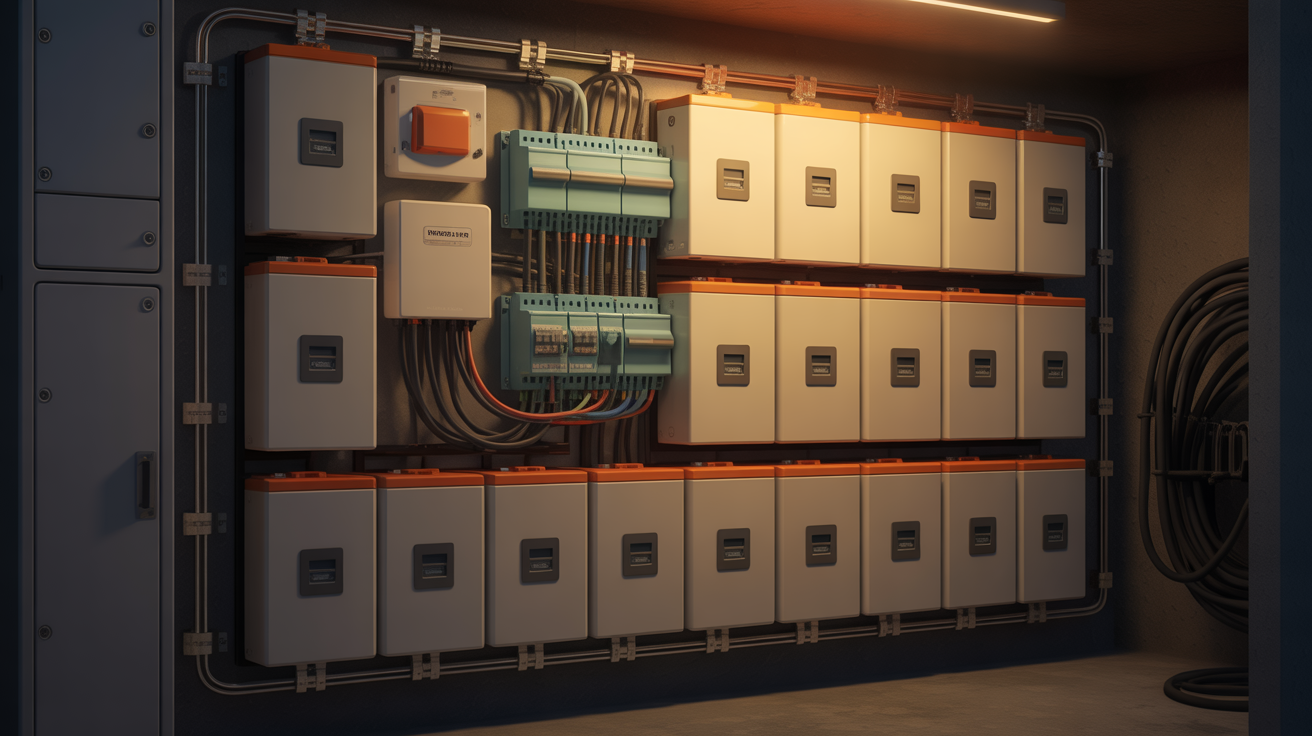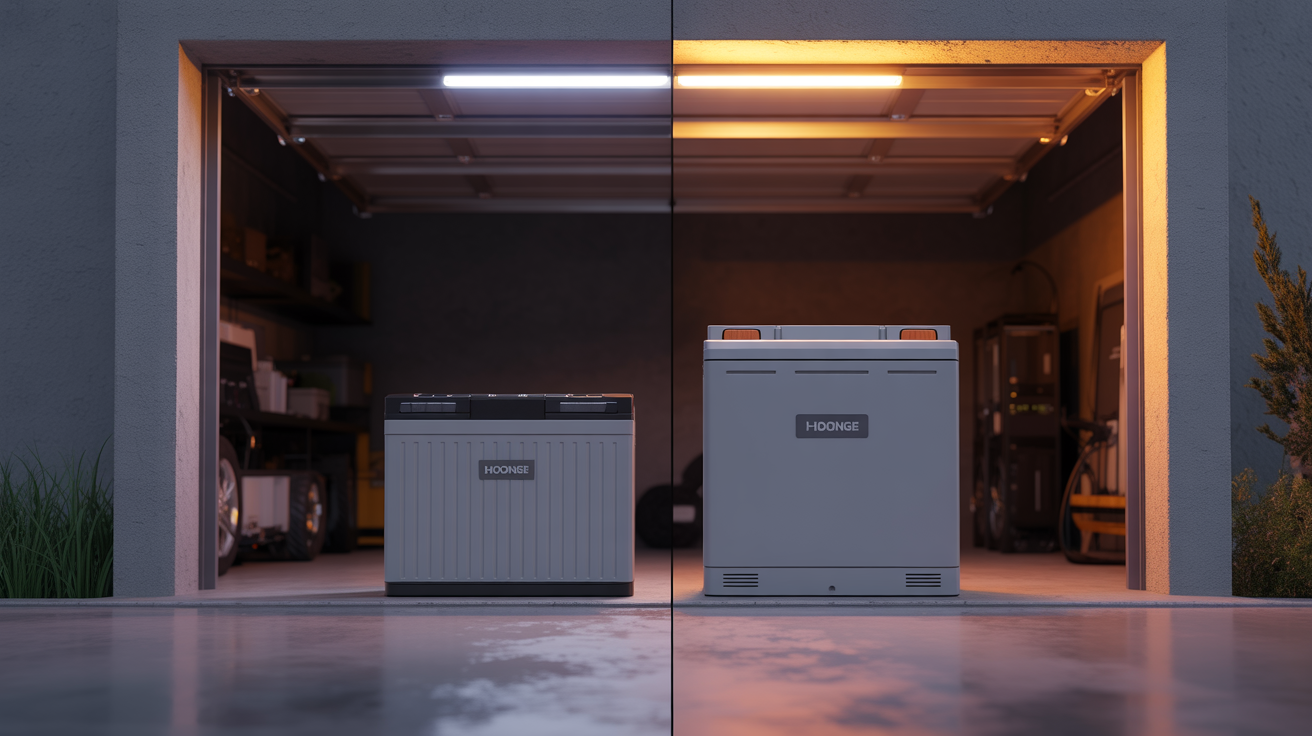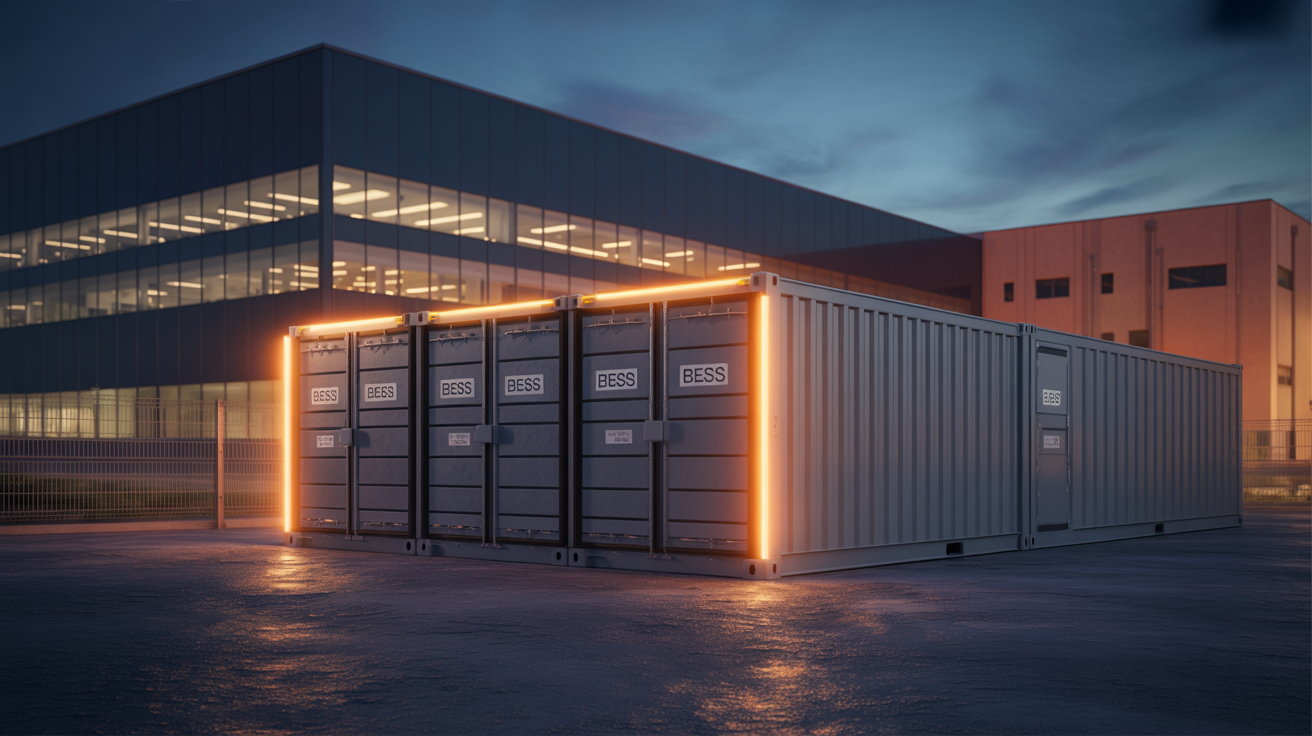
What "long life" actually buys you: at 4,000+ cycles, a Wide Temp pack supports a full daily-discharge use case for 10–11 years. At a typical backup-power duty (50–100 cycles per year), the same pack could run 30+ years on cycle count alone — with calendar life ultimately becoming the limiting factor. Below: the engineering decisions that compound into that lifespan.
In an era where reliability and efficiency are paramount, industries are increasingly turning to long life backup batteries to ensure uninterrupted power supply. These batteries not only provide a dependable source of energy but also significantly lower the total cost of ownership (TCO) for businesses. In this article, we'll explore why investing in long life backup batteries is a smart financial decision for companies across various sectors.
Understanding Total Cost of Ownership (TCO)
Total Cost of Ownership (TCO) is a financial estimate that helps organizations assess the direct and indirect costs associated with purchasing and operating a product or system over its entire lifespan. For backup batteries, TCO includes the initial purchase price, maintenance costs, replacement costs, and energy costs throughout the battery's life.
Components of TCO for Batteries
- Purchase Price: The upfront cost of acquiring the battery.
- Installation Costs: Expenses incurred during the setup and integration of the battery system.
- Maintenance Costs: Ongoing expenses related to keeping the battery in optimal condition.
- Replacement Costs: The cost incurred when batteries need to be replaced due to failure or end of life.
- Energy Efficiency: The effectiveness of the battery in storing and delivering energy, which can impact operational costs.
The Advantages of Long Life Backup Batteries
Long life backup batteries, such as LiFePO4 (Lithium Iron Phosphate) batteries, offer several key advantages that contribute to lowering TCO.
1. Extended Cycle Life
One of the most significant benefits of a long life backup battery is its extended cycle life. These batteries are designed to endure a higher number of charge and discharge cycles compared to traditional lead-acid batteries.
- LiFePO4 batteries can typically provide up to 4,000 cycles, drastically reducing the frequency of replacements.
- Fewer replacements mean lower costs associated with purchasing new batteries and disposing of old ones.
2. Reduced Maintenance Requirements
Long life backup batteries often come equipped with built-in Battery Management Systems (BMS) that monitor and manage battery health, charging, and discharging processes. This technology minimizes the need for manual maintenance.
- Less manual intervention leads to lower labor costs and reduced downtime.
- Enhanced safety features decrease the likelihood of malfunctions, further reducing maintenance expenses.
3. Energy Efficiency
Long life backup batteries are engineered to be energy-efficient, allowing for optimal energy storage and delivery. This efficiency translates to lower operational costs in several ways:
- Higher efficiency rates mean more usable energy per charge, reducing the frequency of recharging cycles.
- Lower energy losses during the charging and discharging processes contribute to overall cost savings.
4. Performance in Extreme Conditions
Industries such as oil & gas, telecom, and marine often operate in extreme temperature conditions. Long life backup batteries, particularly those designed for extreme environments, can function reliably from -40°C to +75°C.
- Reliable performance in harsh conditions reduces the risk of power outages, which can be costly.
- These batteries also maintain their performance, ensuring that companies can continue operations without interruption.
Long-Term Financial Benefits
While the initial investment in long life backup batteries may be higher than traditional options, the long-term financial benefits are significant. By reducing the frequency of battery replacements, maintenance costs, and energy consumption, companies can achieve substantial savings over time.
Case Study: A Real-World Example
Consider a telecom company that transitions from traditional lead-acid batteries to long life backup batteries. Over a period of 10 years, the company experiences the following:
- Initial Investment: $30,000 for traditional batteries vs. $50,000 for long life backup batteries.
- Replacement Costs: $12,000 for traditional batteries vs. $3,000 for long life batteries.
- Maintenance Costs: $5,000 for traditional batteries vs. $1,000 for long life batteries.
- Energy Costs: $10,000 for traditional batteries vs. $6,000 for long life batteries.
In total, over 10 years, the telecom company saves approximately $37,000 by choosing long life backup batteries, demonstrating the significant cost benefits associated with this investment.
The Compounding Effect of Cell-Level Engineering
Long pack life is the compound interest of small cell-level decisions: high-purity electrolyte (slows side reactions), low cell-to-cell impedance variance (prevents accelerated aging in the worst cell), conservative charge profile (lower I²R heating), and BMS calibration that holds calendar drift in check. Each one buys 5–10% more cycle life. Stacked together, they're the difference between a 1,500-cycle generic LiFePO4 and a 4,000-cycle Wide Temp pack — in the same 12V/100Ah footprint, on the same retailer shelf. The engineering work happens at the cell, not at the marketing layer.
Conclusion
Investing in long life backup batteries is not just about immediate power solutions; it's a strategic decision that can lead to lower total cost of ownership over time. With extended cycle life, reduced maintenance requirements, enhanced energy efficiency, and reliable performance in extreme conditions, these batteries provide compelling advantages for businesses in various industries. By choosing long life backup batteries, companies can ensure a dependable power supply while maximizing their financial resources.
For businesses looking for a reliable long life backup battery solution, Wide Temp Batteries offers a range of products designed to meet the demands of extreme environments. Explore our offerings and discover how we can help you achieve long-term savings and operational reliability.
Reviewed By
This article was reviewed by the engineering team at Wide Temp Batteries, including Darrell Jakins, CEO and a 20-plus-year veteran of advanced battery system design. Specifications, cycle figures, and operating ranges referenced in this piece are drawn from our published cell datasheets and the current revision of our 10-year warranty documentation.
Want the cycle-life regression data and what it implies for your specific duty cycle? Reach out to our team and we'll walk you through the engineering data, real-world deployment results, and the exact configuration that fits your application.
Reviewed by Intelligent Power Engineering Team
This article was written and fact-checked by our in-house battery engineering team with 50+ years of combined experience in LiFePO4 technology and wide temperature battery systems.
Meet our team →